Founding florist
Tulipanna
Bondi NSW · est. 1992
A Bondi Road florist since 1992, with seasonal bouquets, arrangements, roses and potted orchids, and a weekly note on what's at market.
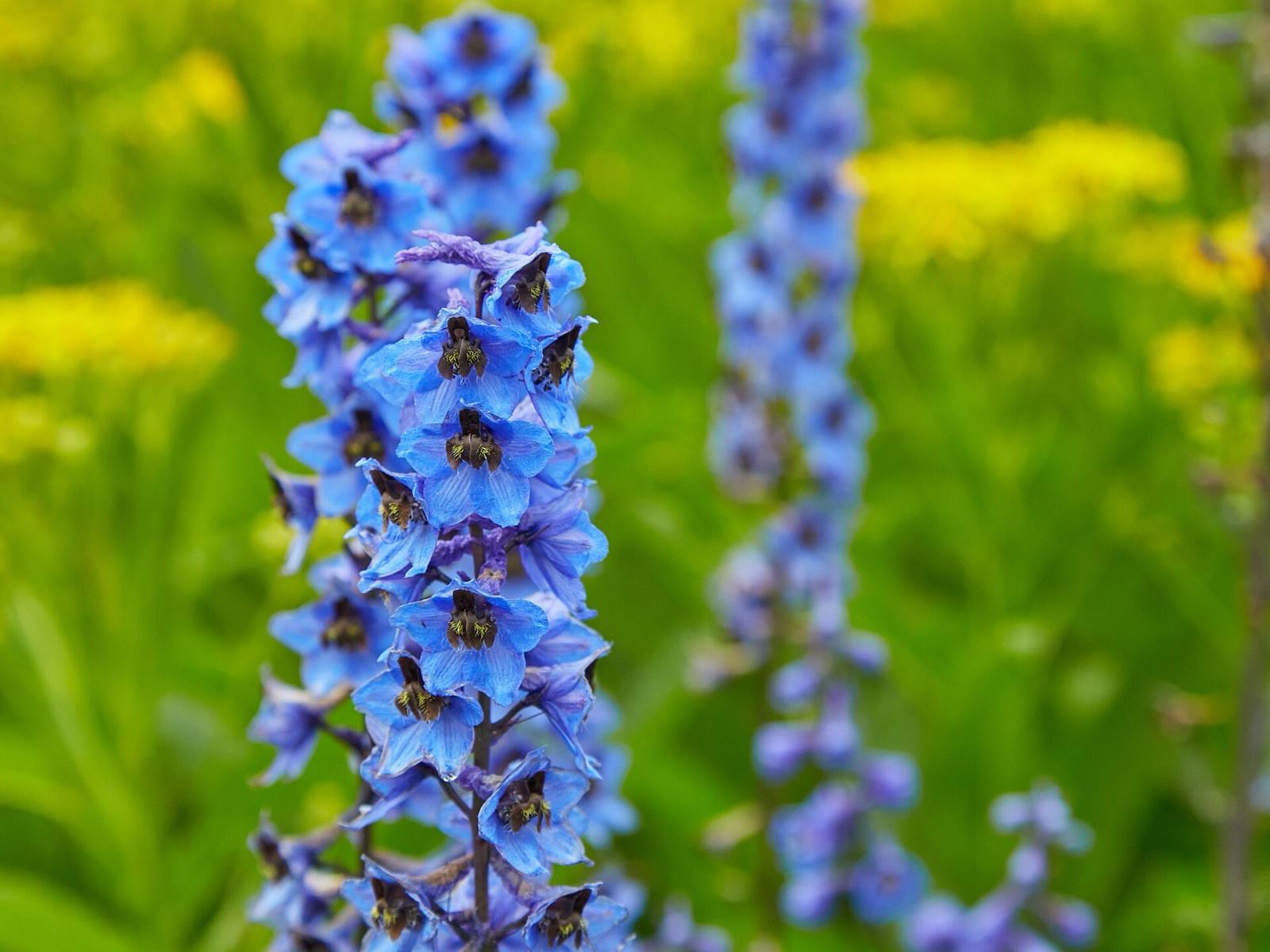
Delphinium is a cool-climate perennial that flowers in spring and summer here, so Australian-grown stems are at their best from late spring into summer, roughly October to January. It is a tall spike flower, prized for clear blues that few other flowers manage, plus white, pink and violet. Brisbane's Northside Flower Market also lists it as a seasonal autumn line, so stems can appear outside the local peak. Its annual cousin larkspur is the traditional birth flower for July, which falls in our winter, well outside the local delphinium season.
Priced by the stem; tall, fully clothed spikes cost more. Being confirmed
Choose spikes where the bottom third of florets is open and the top is still in bud, so the stem keeps opening at home. Look along the whole spike for bare patches where florets have already fallen, and give it a gentle shake. Any drop now will be worse in a warm room. Florets should be crisp and vivid, not papery or see-through at the edges. The hollow stem should be firm and green right to the base. Three to five tall spikes are enough for a big vase. November and December, the middle of the local season, bring the fullest spikes.
Bondi NSW · est. 1992
A Bondi Road florist since 1992, with seasonal bouquets, arrangements, roses and potted orchids, and a weekly note on what's at market.
Delphinium is not native to Australia, but it's grown here commercially.
Delphinium grows best in Australia where summers are mild, such as Tasmania, the hills east of Melbourne and the NSW tablelands and Southern Highlands. Being confirmed Commercial stems come mostly from small specialist cut-flower farms and some covered growers, since tall spikes snap in wind and spoil in rain. Being confirmed Stems seen outside the local season may be imported, though that has not been confirmed. In gardens, delphinium needs rich soil, staking, shelter from hot winds and protection from snails. It often behaves as a short-lived plant in warmer areas.
We're still checking whether out-of-season delphinium is imported into Australia, and from where. If you see it outside the months above, ask your florist where it came from.
Colours
Varieties to ask for
Making it last
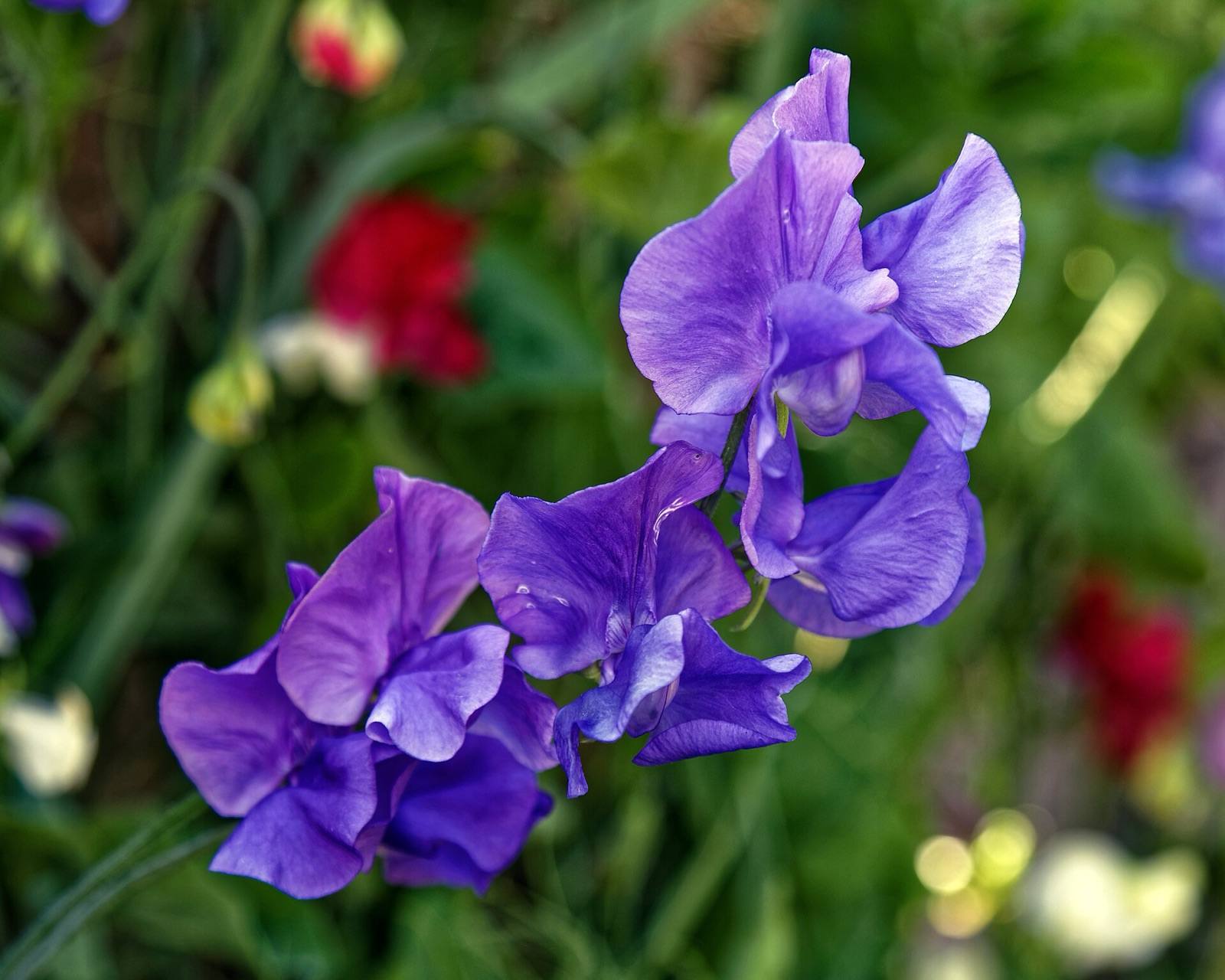
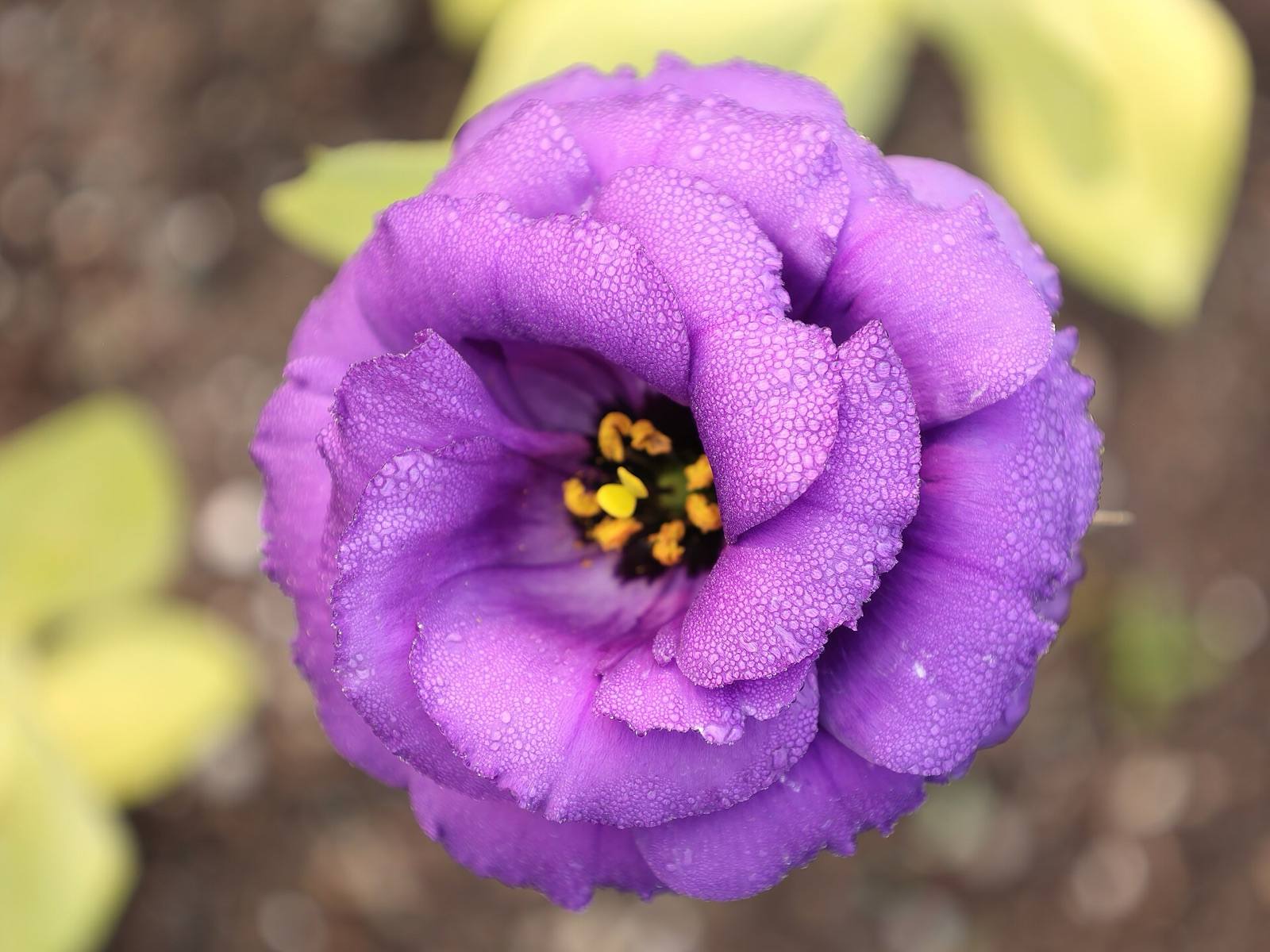
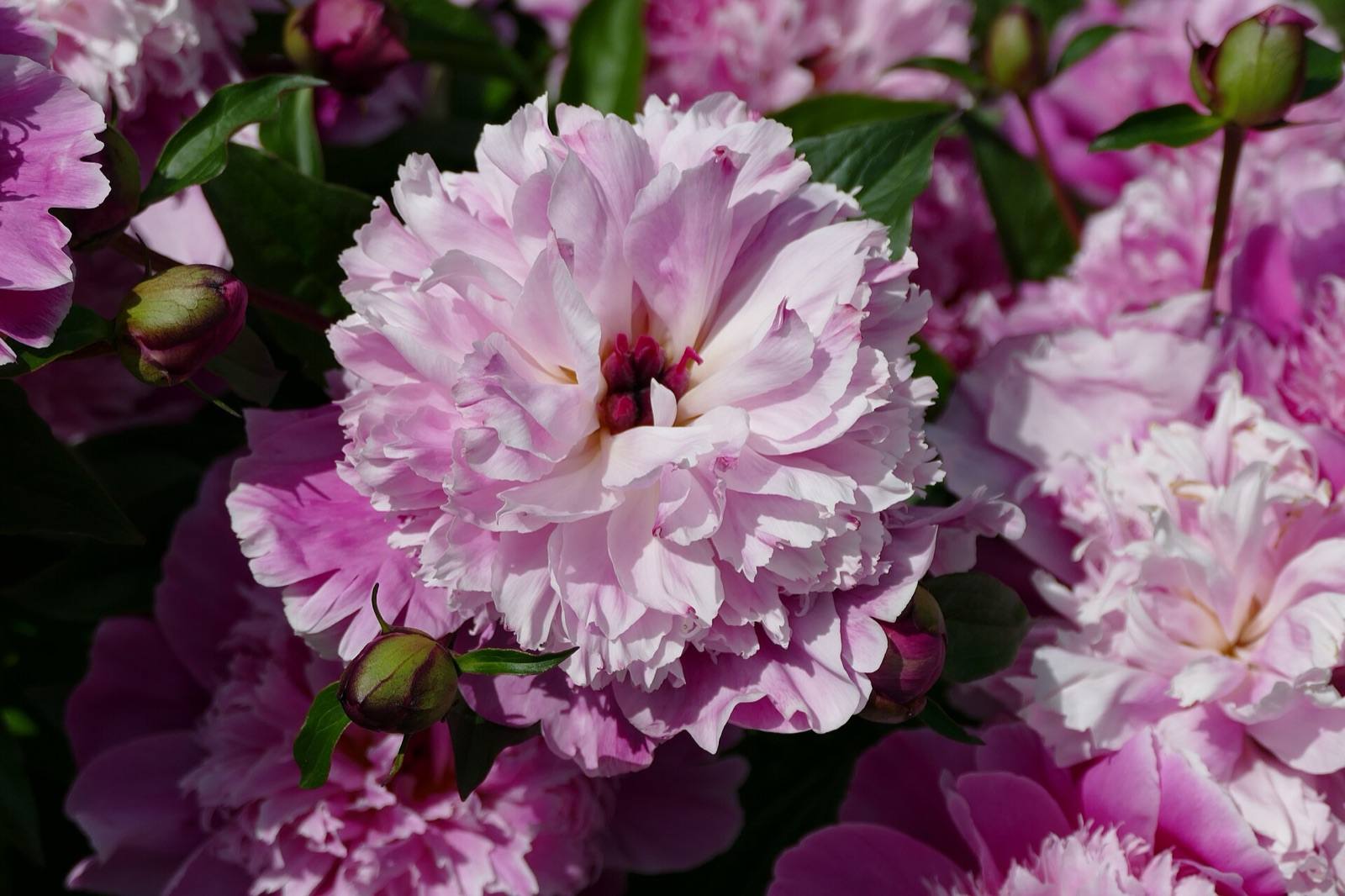
Delphinium's season lines up with peonies, sweet peas, lisianthus, roses and early hydrangeas, which makes it a late-spring and wedding favourite. Blue delphinium with white peonies or white lisianthus is the obvious pairing, and pink types sit well with sweet peas. Use a tall, heavy vase that holds at least a third of the stem, or cut the spikes down and use side shoots in shorter jugs. Florets open from the bottom up over the vase life. Delphinium dries well hung upside down in a dark, airy place, keeping much of its blue.
In the Victorian language of flowers, larkspur stood for lightness and levity.
Delphinium is a traditional birth flower for July.
Delphiniums flower in spring and summer here, so local stems are best from about October to January. Brisbane's Northside Flower Market also lists them as a seasonal autumn line. Supply depends on weather and growers, so check with your florist for events outside those months.
Larkspur, delphinium's annual cousin, is the traditional July birth flower on Western lists, and florists often use delphinium in its place. July is winter in Australia, so local stems are scarce then and your florist may need to source them from elsewhere or suggest another blue flower.
Delphinium florets drop when they are stressed by warmth or by ethylene gas from ripening fruit. Keep the vase cool, away from the fruit bowl and heaters, use flower food and change the water every couple of days.
Yes. The ASPCA lists larkspur, which covers the Delphinium group, as toxic to pets. All parts of the plant contain alkaloids that can cause drooling, vomiting and weakness, and in larger amounts heart and breathing problems. Being confirmed Keep vases and fallen florets away from pets and call your vet if any is eaten.
It is hard work. Delphiniums like cool summers, and Sydney's humid heat brings mildew and rot. Gardeners there often treat them as annuals, planting in autumn for spring flowers, or choose smaller types. The Blue Mountains and Southern Highlands suit them far better than the coast.