Founding florist
Tulipanna
Bondi NSW · est. 1992
A Bondi Road florist since 1992, with seasonal bouquets, arrangements, roses and potted orchids, and a weekly note on what's at market.
Seasonal cut flowerGardenia jasminoides
Gardenia is in season in Australia from November to February.Being confirmed
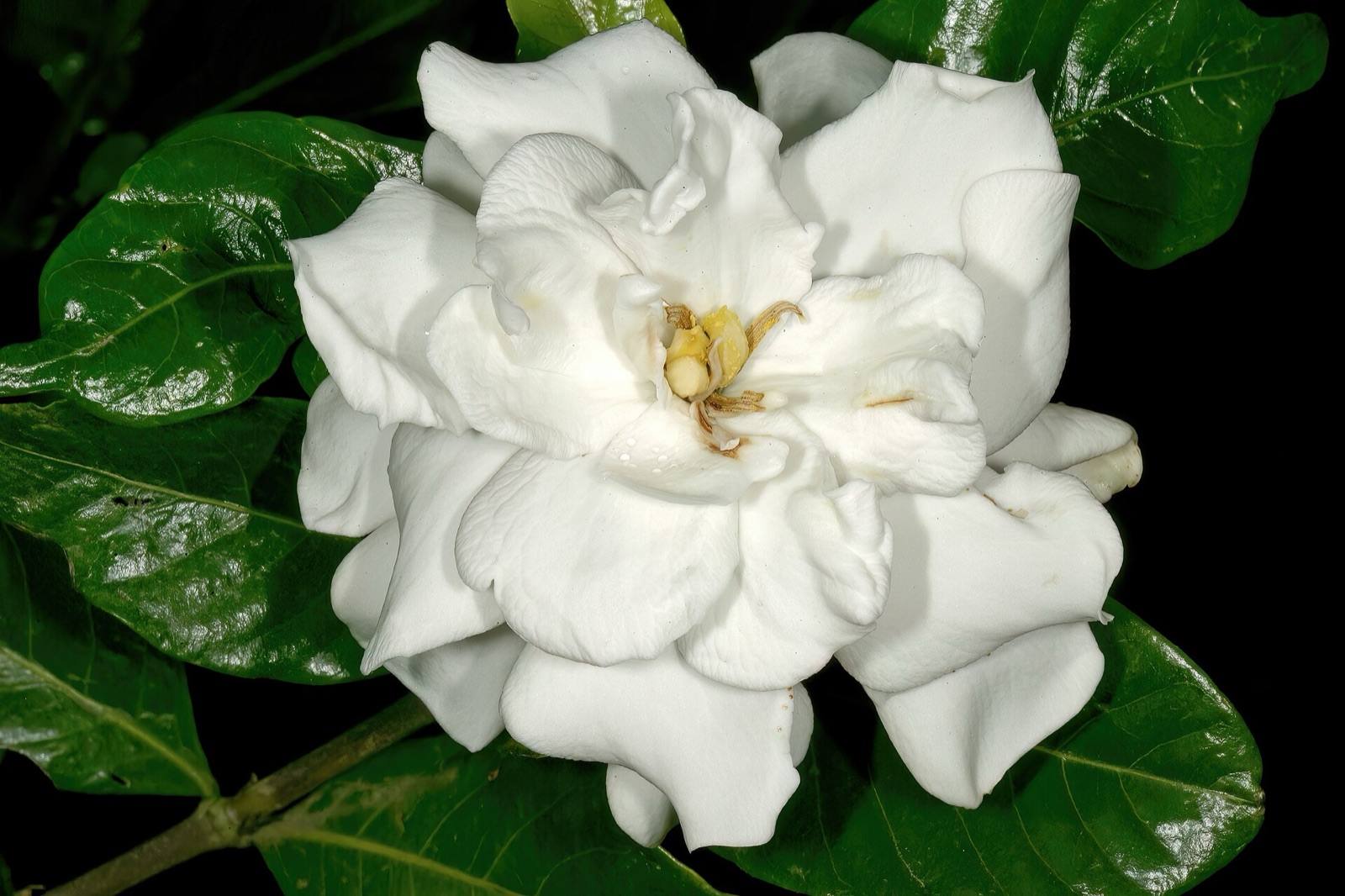
Gardenias flower from late spring into early autumn in Australia, most heavily over summer, so November to February is the time to find them. Their creamy white flowers have one of the strongest scents of any garden flower, but they bruise if you so much as touch the petals and last only a few days once cut. That fragility is why they turn up more as buttonholes, corsages and single floating blooms than in mixed bouquets. They are grown locally and do not travel well enough to import.
Usually sold as single blooms or small bunches of short stems, mostly for buttonholes and corsages. Being confirmed
Gardenias are rarely sold as cut stems, so buy a plant or cut your own. In the garden, cut early in the morning and choose flowers just opening, with ivory petals and no cream edges. Take a short stem with a couple of leaves and hold it only by the stem. From a nursery, buy in spring when plants are budding up. Pick one with glossy, deep green leaves, no yellowing between the veins and plenty of fat buds. Check under the leaves for sooty mould or scale. 'Florida' and 'Magnifica' suit hedges and cutting, while 'Radicans' is a low groundcover with smaller flowers.
Bondi NSW · est. 1992
A Bondi Road florist since 1992, with seasonal bouquets, arrangements, roses and potted orchids, and a weekly note on what's at market.
Gardenia is not native to Australia, but it's grown here commercially.
Gardenia comes from southern China and nearby parts of east Asia, so it likes warm, humid summers and acid soil. In Australia it grows best along the east coast from Sydney to Brisbane and further north, and in warm, protected spots in Melbourne and Adelaide. It wants a pH of about 5 to 6.5, steady moisture, and morning sun with afternoon shade. Alkaline soil shows up as yellow leaves with green veins. Most plants are raised from cuttings in wholesale nurseries. Being confirmed Florists get their small supply of blooms from local growers and gardens over summer, as the flowers are too fragile to travel far.
Stems at Australian markets are mostly grown here, so when it is out of season it is hard to find. Being confirmed
Colours
Varieties to ask for
Vase life
3 to 5 days Being confirmed
Making it last
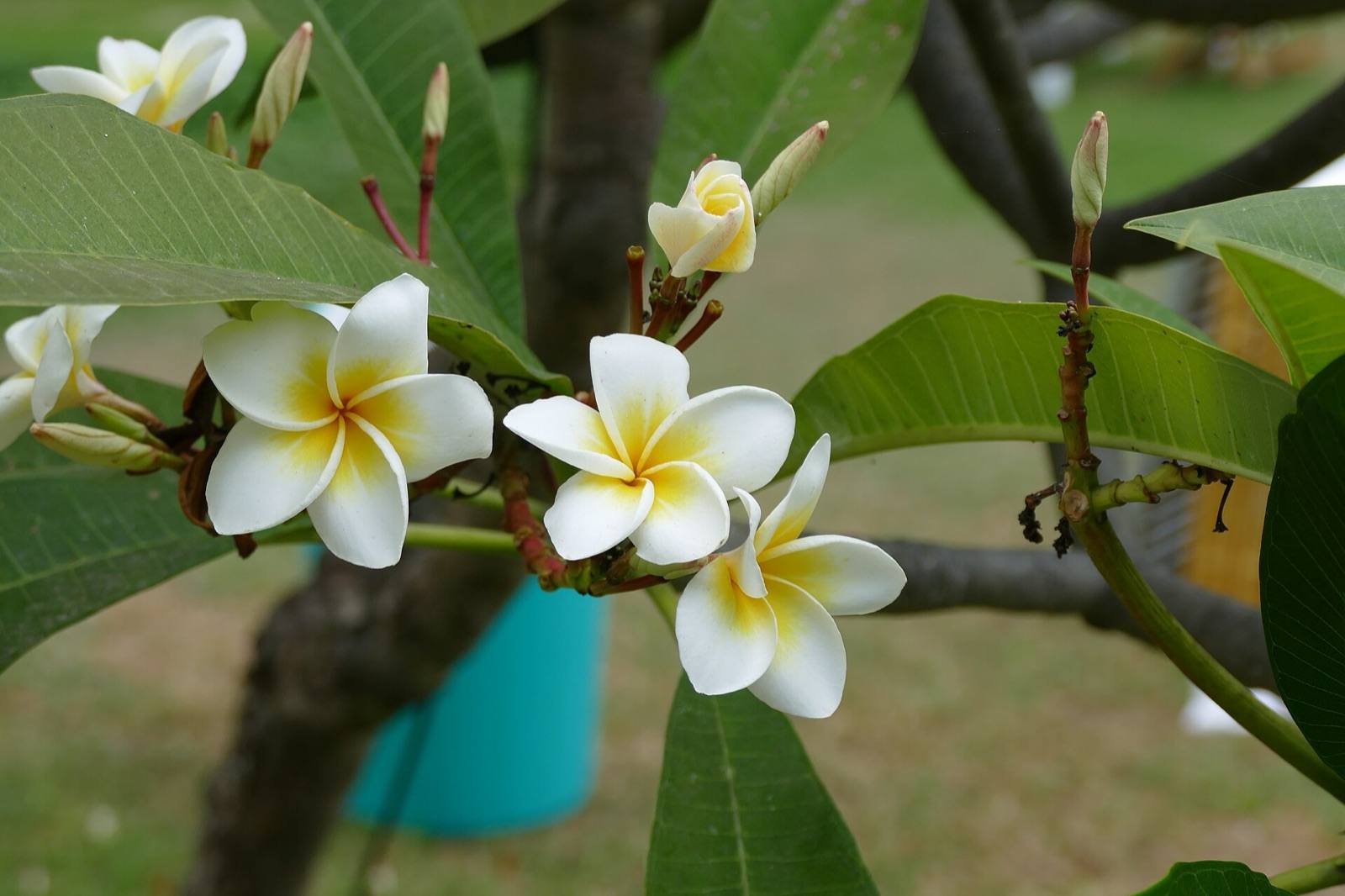
Use gardenias one or two at a time. A single bloom floating in a small glass bowl will scent a room, and a short stem in a bud vase shows off the glossy leaves. Over summer they share a shallow bowl well with frangipani, or sit beside a hydrangea head or garden roses. In late spring a gardenia next to peonies makes a heavily scented pairing. The flowers open pure white and turn cream, then pale yellow, over two or three days, which is normal ageing rather than bruising. They do not dry well.
Traditionally a symbol of secret love and purity.
Flemington
Best: all yearBeing confirmed
Epping
Best: all yearBeing confirmed
Gardenias flower from late spring to early autumn, most heavily over summer. November to February is the best time to find them, with some varieties giving a second flush in autumn.
Gardenia petals bruise at the slightest touch, and the bruise turns brown. Handle them by the stem or base only, keep them cool and away from fruit bowls.
Only three to five days. Floating single blooms in a shallow bowl of water and misting them gently is the best way to enjoy the scent for as long as possible.
Mildly. The ASPCA lists gardenia as toxic to dogs and cats. Eating the leaves or flowers can cause mild vomiting, diarrhoea or hives. It is rarely serious, but keep plants and fallen flowers away from pets that chew, and call your vet if symptoms appear.
Bud drop is usually a sign of stress. Common causes are dry soil or dry air, too little light and very hot weather, with days over about 30°C often to blame. Keep the soil evenly moist under mulch, water deeply in heatwaves, and avoid moving a budding pot to a new spot.