Founding florist
Tulipanna
Bondi NSW · est. 1992
A Bondi Road florist since 1992, with seasonal bouquets, arrangements, roses and potted orchids, and a weekly note on what's at market.
Seasonal cut flowerHydrangea macrophylla
Hydrangea is in season in Australia from December to March. In Victoria the season runs December to May. Outside those months you'll mostly find imported stems.Being confirmed
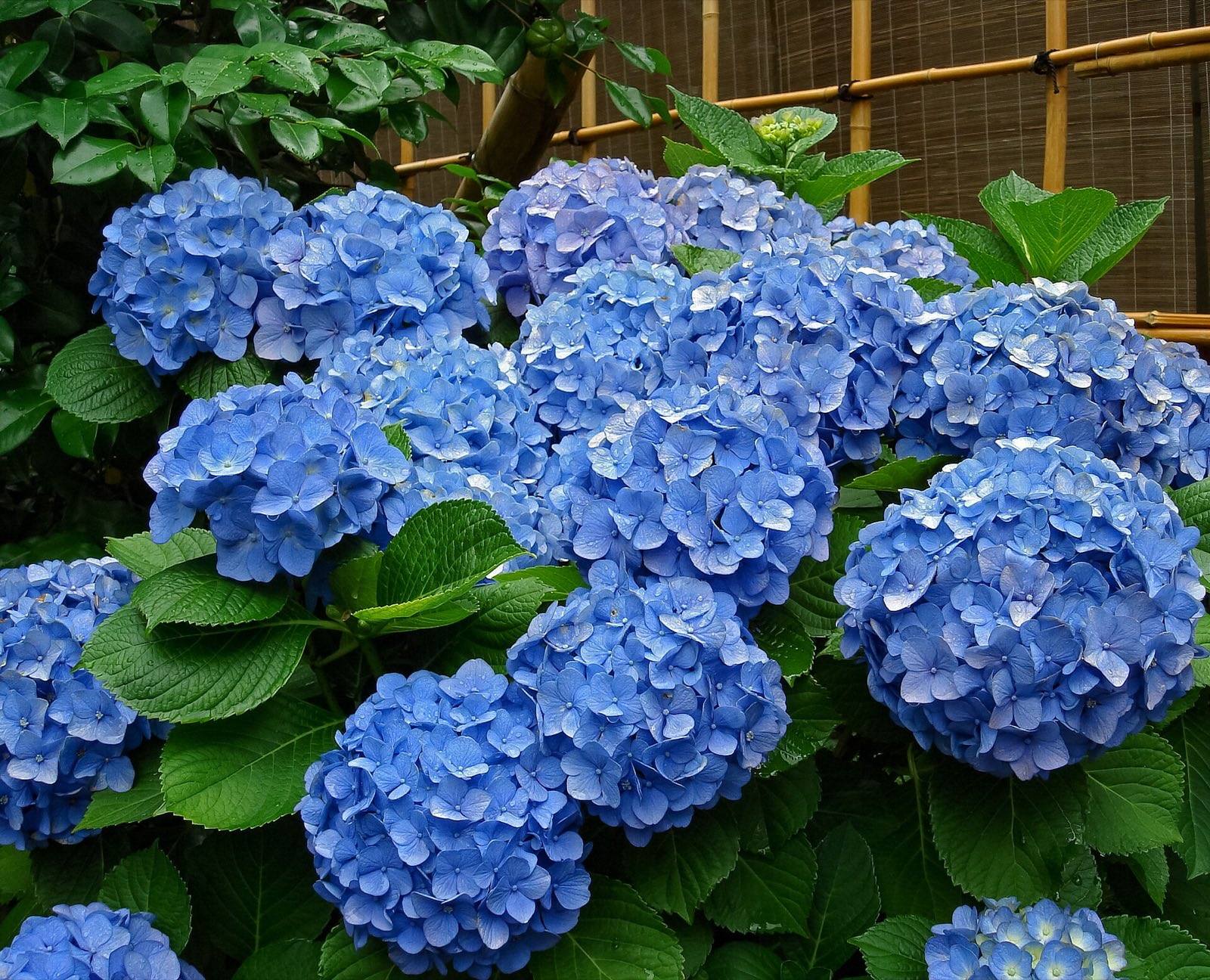
Hydrangeas are a summer flower in Australia, at market from about December to March, with December the high point for fresh mopheads. In Victoria they carry on into autumn, when the heads age into the green, burgundy and dusky pink "antique" tones florists love, usually by April. Blues, pinks, whites and mauves are all grown locally. Heads are big and thirsty, so a floppy hydrangea usually just needs a long drink.
Sold by the stem. Good value in summer when heads are big and plentiful. Being confirmed
Press a head gently. It should feel firm and slightly papery, with no brown edges on the florets. Turn it over and check the back, where browning usually starts. The stem should be thick and woody at the base and the leaves crisp rather than limp. Avoid heads with soft, see-through florets or a sour smell coming from the bucket. One large mophead fills a small vase, and three make a full arrangement. December and January bring the biggest heads and the best value, while autumn is the time to hunt for the antique greens and burgundies.
Bondi NSW · est. 1992
A Bondi Road florist since 1992, with seasonal bouquets, arrangements, roses and potted orchids, and a weekly note on what's at market.
Hydrangea is not native to Australia, but it's grown here commercially.
Hydrangeas like the cool, moist hill country of southern Australia. Cut-flower growers are concentrated in Victoria, especially the Dandenong Ranges and Yarra Valley, with more in Tasmania, the NSW Southern Highlands and the Blue Mountains. Being confirmed Most are grown in the field on small flower farms, cut through summer and again in autumn for antique heads. In gardens they want morning sun, afternoon shade and plenty of water. Soil sets the colour of blue and pink types. Acid soil with aluminium available gives blue, and neutral to alkaline soil gives pink. White hydrangeas stay white whatever the soil.
Out of season, florists bring in imported stems. Ask your florist which you're buying: local stems are usually fresher and have travelled less.Being confirmed
Colours
Varieties to ask for
Vase life
7 to 15 days Being confirmed
Making it last
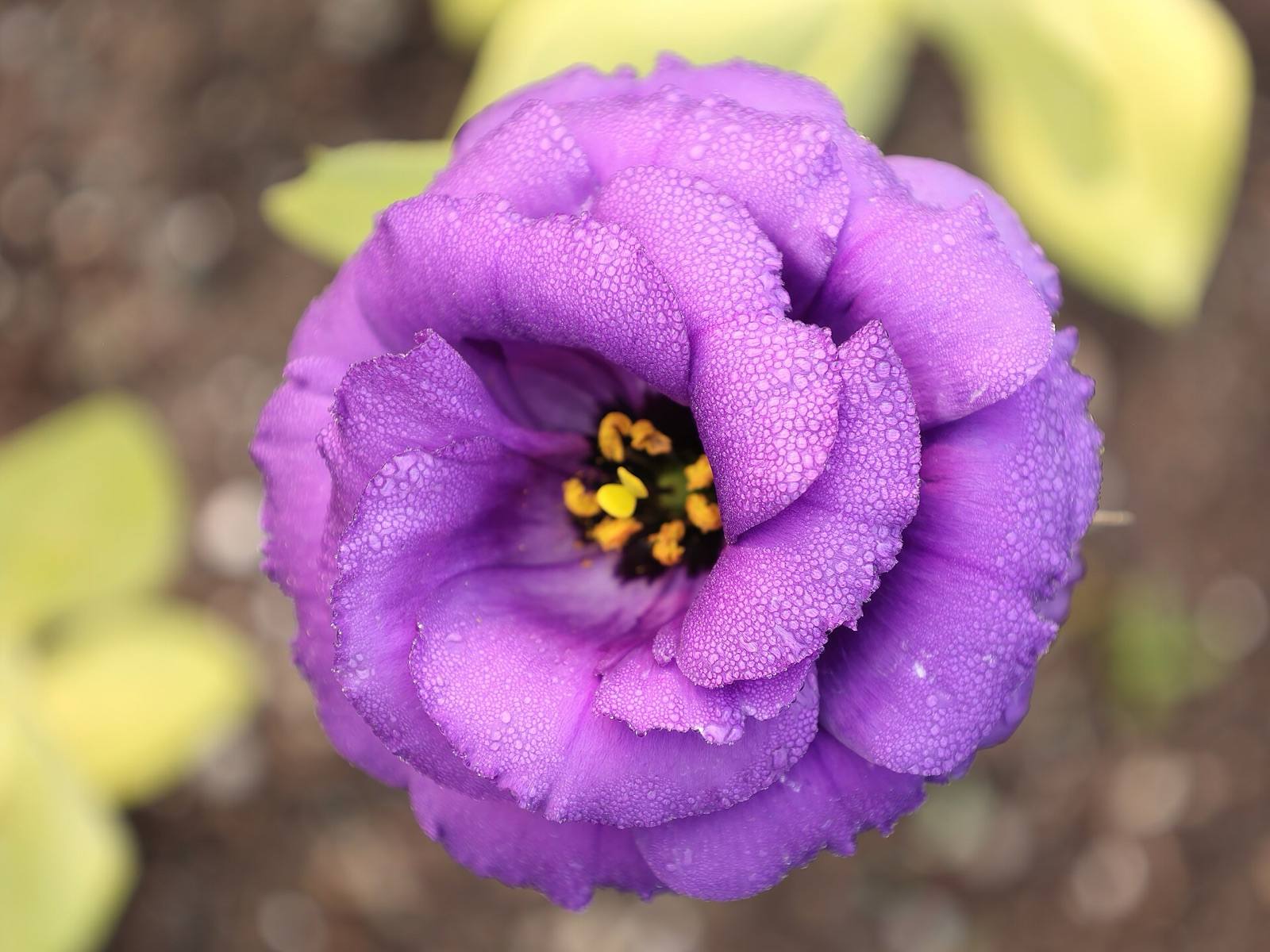
Hydrangeas fill a vase fast, so one or two heads carry an arrangement. A wide, deep vase or a ceramic jug holds the water they need. In summer they pair with lisianthus and garden roses for a soft cottage look, or with sunflowers for more colour. In December and January, blue heads sit well with lavender, and early in summer with delphinium. Over the weeks, fresh blues and pinks age into green, burgundy and dusty tones. Aged heads dry well if you stand them in a little water and let it evaporate.
Traditionally a flower of gratitude and heartfelt emotion.
Flemington
Best: all yearBeing confirmed
Epping
Best: all yearBeing confirmed
Hydrangeas are at their freshest from about December to March, peaking in December. In Victoria the season stretches into autumn, when the heads age into antique green and burgundy tones around April and May.
Recut the stem on a sharp angle and submerge the whole flower head in a sink of cool water for about half an hour. Hydrangeas take up water through their petals, so this usually brings them back.
Around seven to fifteen days if they were mature when picked and are kept cool with plenty of water. Heads picked too young wilt quickly.
Yes. The ASPCA lists hydrangea as toxic to dogs and cats because it contains a cyanogenic glycoside. Eating the leaves or flowers usually causes vomiting, diarrhoea and lethargy rather than true cyanide poisoning. Keep cut heads and dried arrangements out of reach, and call your vet if your pet has eaten some.
Blue needs acid soil, below about pH 5.5, with aluminium the plant can take up. Apply aluminium sulphate or a soil acidifier around the plant in autumn, following the packet directions, and water it in. The change takes a season or more, and it only works on pink and blue types, not white hydrangeas.