Founding florist
Tulipanna
Bondi NSW · est. 1992
A Bondi Road florist since 1992, with seasonal bouquets, arrangements, roses and potted orchids, and a weekly note on what's at market.
Australian nativeAnigozanthos spp. and hybrids
Kangaroo paw is in season in Australia from September to December. In Western Australia the season runs August to November.Being confirmed
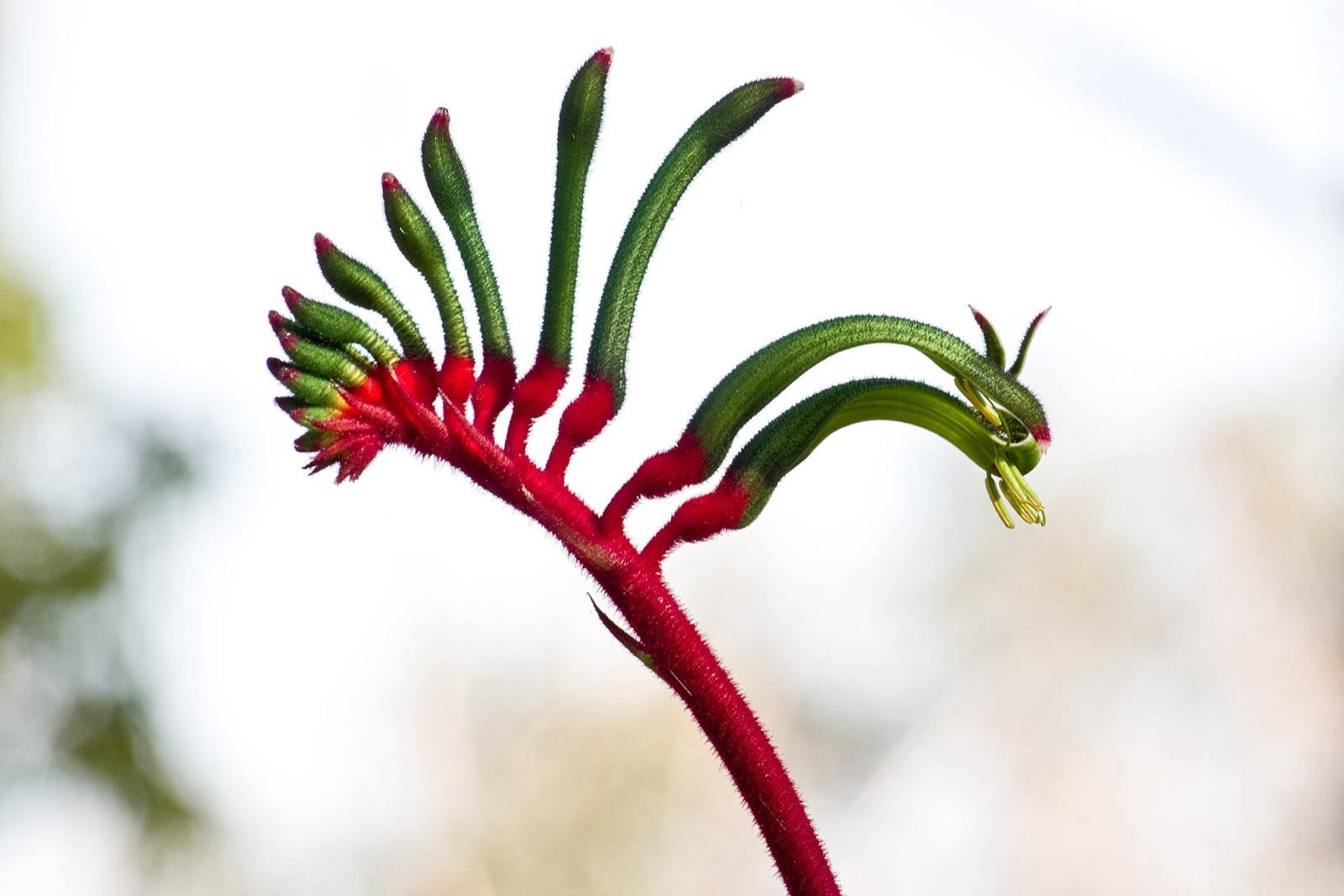
Kangaroo paw is a Western Australian native, and the red and green Anigozanthos manglesii is the state floral emblem. In the wild and at Kings Park it flowers from late winter into spring, with August to October the best viewing, and the tall Kings Park-bred hybrids are in full flower in October and November. Farmed hybrids carry cut-flower supply through spring into summer, and some flower on and off all year. The long, velvety stems are tough, which is why florists use them for height and texture.
Priced by the stem; supply is best in spring. Being confirmed
Look for stems where the lowest flowers are open and the buds above them are plump and coloured. The fuzz should look bright and velvety, not dusty or faded, and the stems should stand firm and upright. Avoid bunches with blackened tips or brown patches on the flowers, which are signs of age or rough handling. Each stem is tall and branched, so five to seven stems fill a medium vase, or three will do with some foliage. Spring is when supply is strongest and bunches are the best value, and the tall hybrids peak in October and November.
Bondi NSW · est. 1992
A Bondi Road florist since 1992, with seasonal bouquets, arrangements, roses and potted orchids, and a weekly note on what's at market.
Kangaroo paw is Australian native.
Kangaroo paw grows wild only in the south-west of Western Australia, in sandy heath and woodland, with different species flowering from late winter into summer. Commercial crops are mostly hybrids grown in open fields from tissue-cultured plantlets, and plants flower for the first time about six months after planting. Growers in the Sydney region have long grown kangaroo paw as a major export flower, alongside farms in Western Australia. The crop needs well-drained, frost-free ground. In home gardens the tall hybrids flower best in full sun and are cut back hard once flowering finishes.
Stems at Australian markets are mostly grown here, so when it is out of season it is hard to find. Being confirmed
Colours
Varieties to ask for
Making it last
Use kangaroo paw for height in a tall, narrow vase, or cut it short and let the branched heads sit just above a low bowl of foliage. It sits well with other natives in season at the same time: waratah and waxflower in spring, flannel flower through to December, and grey eucalyptus leaves with anything. The lower flowers open first and colour keeps moving up the stem for days. Once it starts to fade, hang the stems upside down and they dry with much of their velvet texture intact. Being confirmed
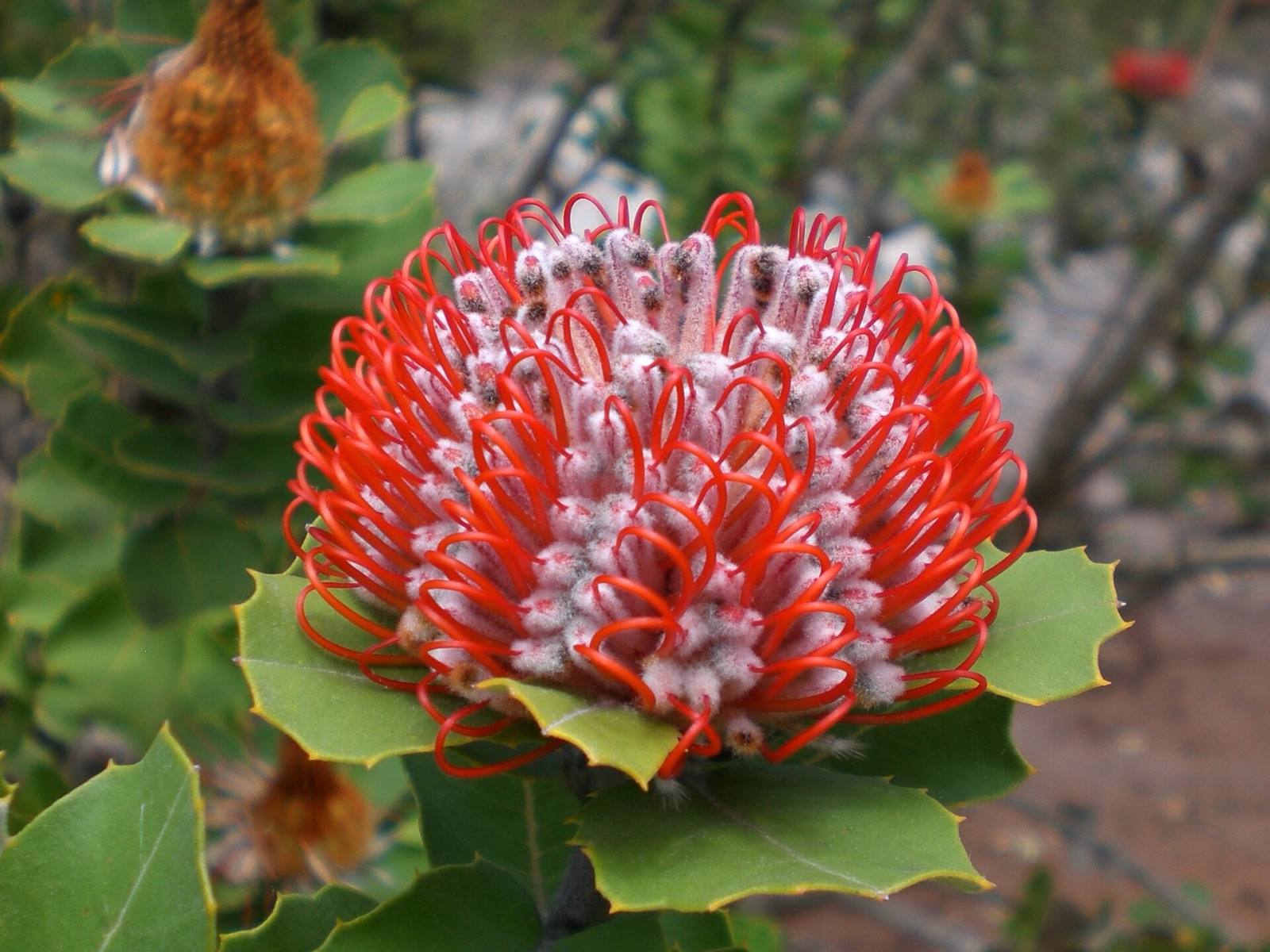
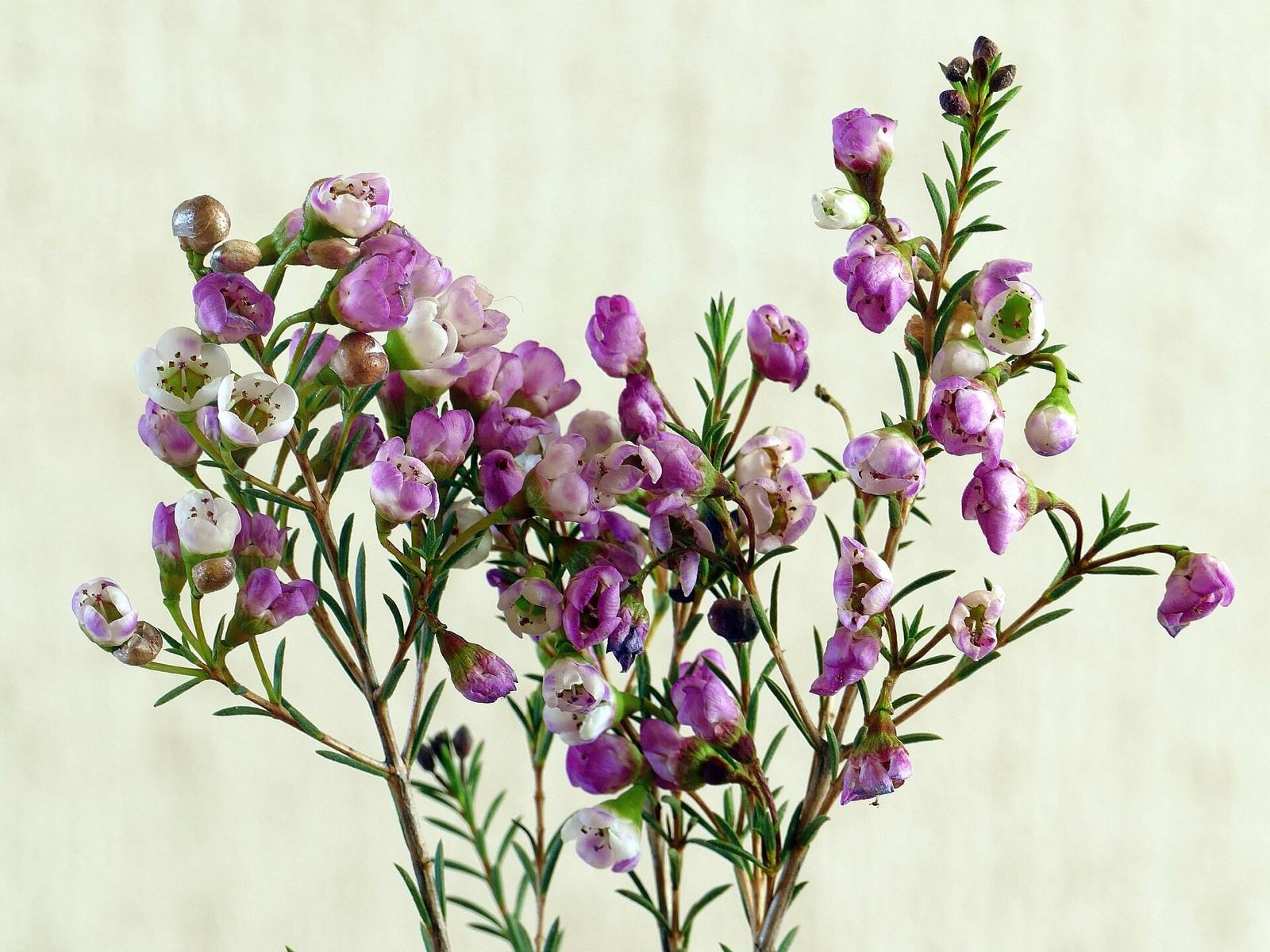
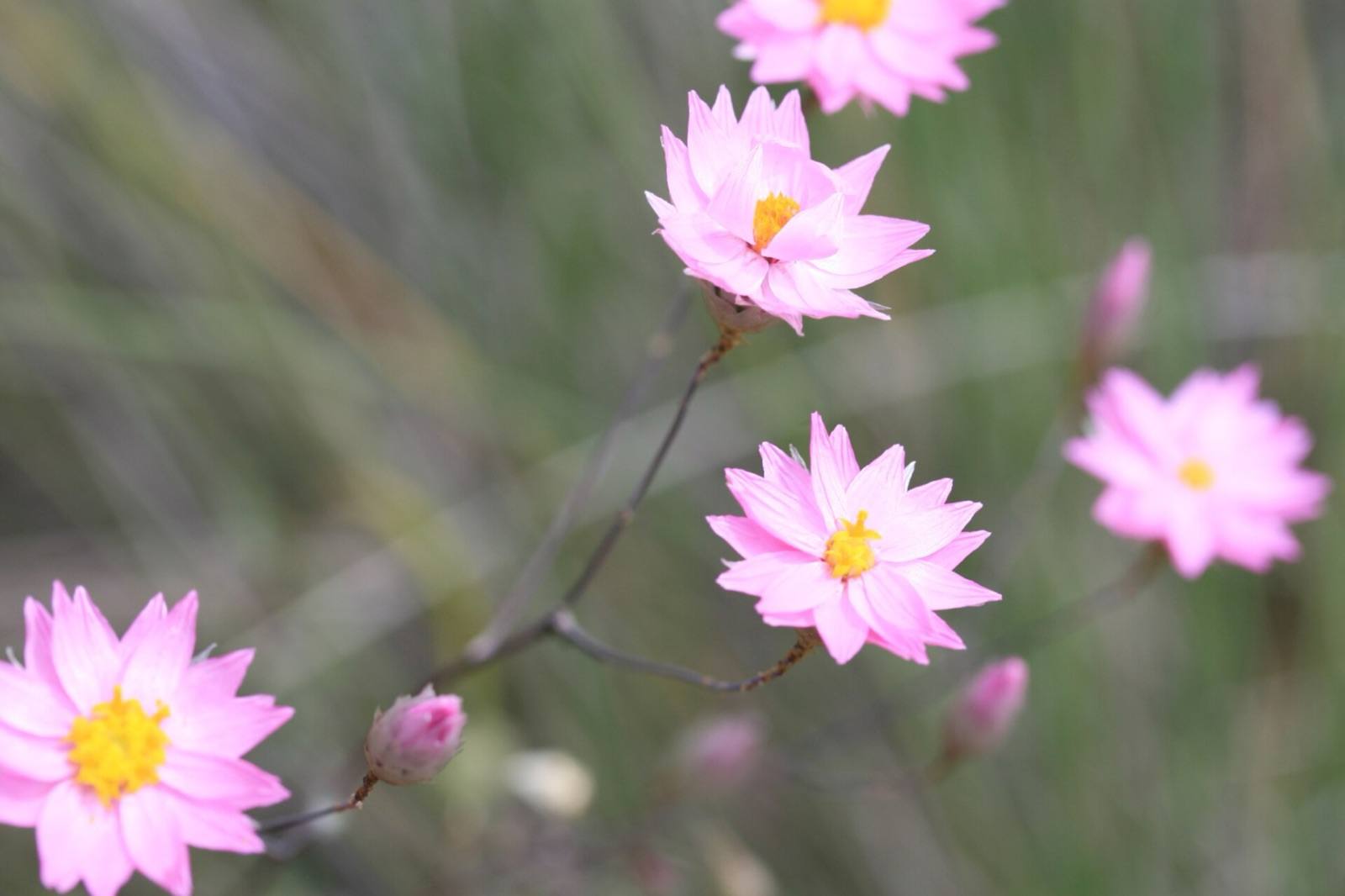
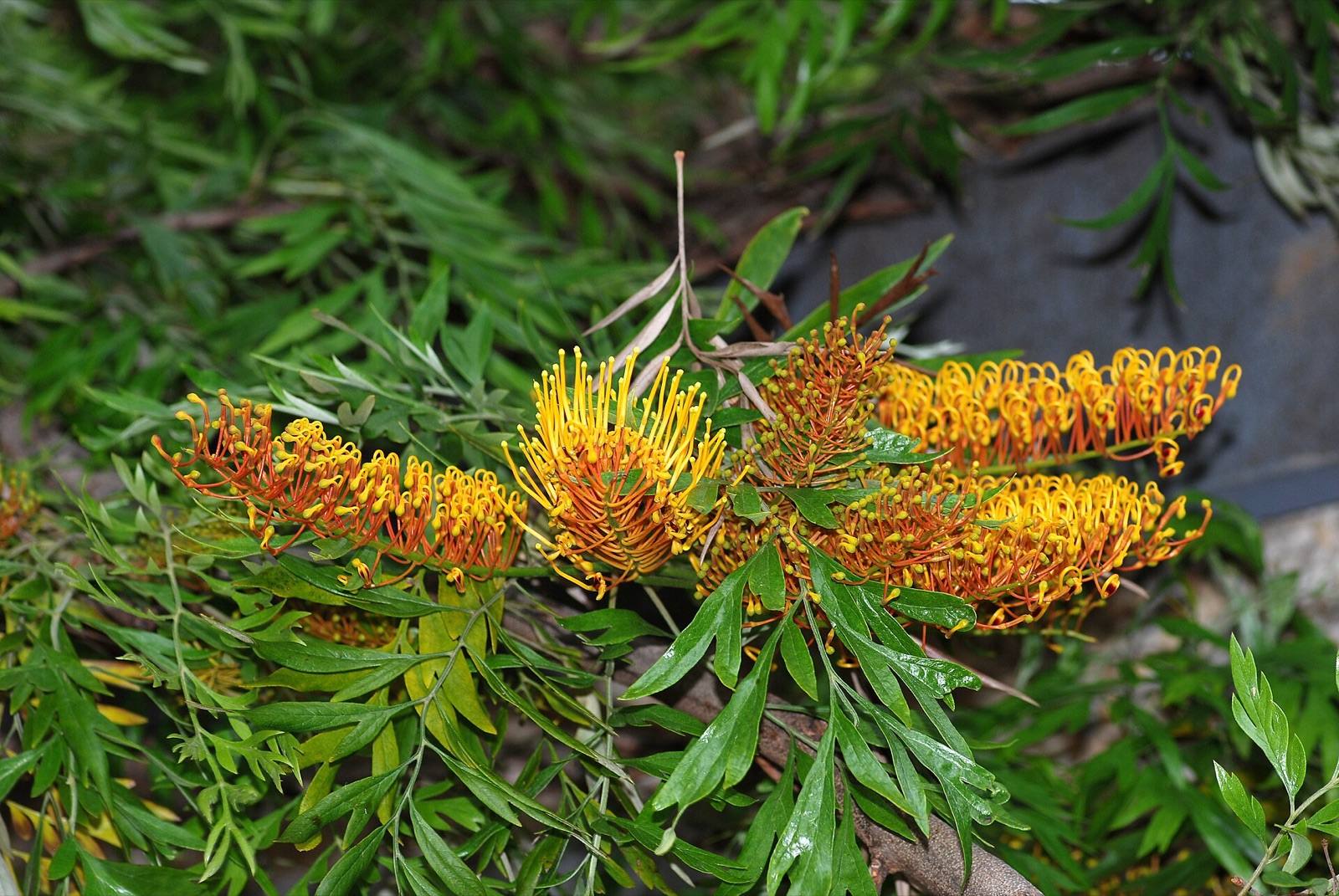
Kangaroo pawEverlasting daisyBanksiaGrevillea
Everlasting daisyKangaroo pawBanksiaGeraldton wax
Perth
Best: September to OctoberBeing confirmed
West Leederville
Open: not yet confirmedBeing confirmed
In Western Australia they flower from late winter into spring, with August to October the best time to see them at Kings Park. Farmed hybrids keep cut stems coming through spring and into summer, and some varieties flower on and off all year.
Kings Park in Perth is the easiest place, with the red and green kangaroo paw in several of its gardens from August to October and tall hybrids in the Waxflower and Kangaroo Paw Garden in October and November. Out in the bush, it grows from Shark Bay down to Manjimup.
The red and green kangaroo paw, Anigozanthos manglesii. Its velvety flowers sit at the end of long, sturdy stems strong enough to carry the birds that feed on them, and it is found naturally only in Western Australia.
Yes. Farms in the Sydney region grow it commercially, and the dwarf and tall hybrids sold at nurseries do well in home gardens with full sun and free-draining soil. Humid weather can bring ink disease, which blackens the leaves, so give plants good air flow and cut old growth right back after flowering.
The tube-shaped flowers are covered in fine, furry hairs and split open at the tip into a shape that looks a lot like a kangaroo's front paw. Those hairs carry much of the colour, which is why the flowers feel velvety and look so different from most other cut flowers.