Founding florist
Tulipanna
Bondi NSW · est. 1992
A Bondi Road florist since 1992, with seasonal bouquets, arrangements, roses and potted orchids, and a weekly note on what's at market.
Seasonal cut flowerLilium hybrids
Lilies are available all year in Australia, from local growers. Outside those months you'll mostly find imported stems.Being confirmed
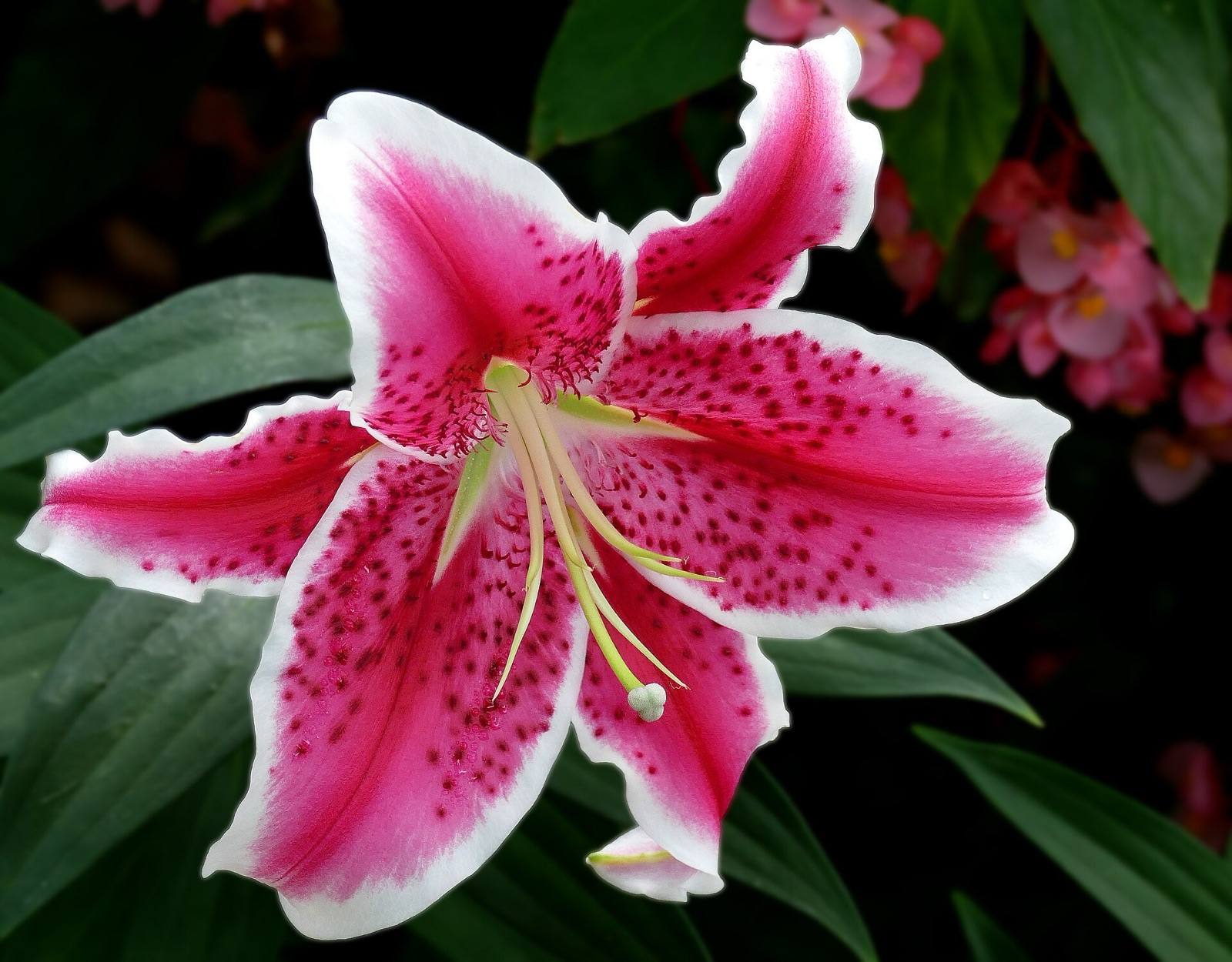
Lilies are grown year-round in Australia in climate-controlled glasshouses, so they are one of the most reliable flowers at market in any month. One of the biggest producers is in Wynyard, north-west Tasmania, supplying oriental lilies all year from a 20,000 square metre glasshouse. Orientals are the big, scented ones, while Asiatic and LA hybrids are unscented or lightly scented and come in brighter colours. Buds keep opening over one to two weeks.
Sold by the stem or bunch. Prices are steady through the year because supply is glasshouse-grown. Being confirmed
Count the buds. A good oriental stem carries three to five, and more buds means a longer run in the vase. Check that none are broken or brown at the tip and that there is no pollen already dusting the petals, which means the stems are older than they look. Decide on scent before you buy: orientals fill a room, while Asiatics suit a dining table where perfume can clash with food. Three to five stems fill a standard vase. Prices barely move through the year, so just buy three or four days before you need the flowers open.
Bondi NSW · est. 1992
A Bondi Road florist since 1992, with seasonal bouquets, arrangements, roses and potted orchids, and a weekly note on what's at market.
Lilies are not native to Australia, but they're grown here commercially.
Australian lilies are grown under glass, which is why supply and price stay steady all year. Growers plant bulbs in batches in climate-controlled glasshouses so there is always a crop coming into flower, and most bulbs are imported from the Netherlands. Being confirmed One of the largest operations is Flowerdale at Wynyard in north-west Tasmania, which grows orientals year round in a 20,000 square metre glasshouse. Stems are cut in tight bud, graded and sent to the city flower markets. Imported stems fill some gaps, mostly for new or less common varieties that local growers don't carry.
Out of season, florists bring in imported stems. Ask your florist which you're buying: local stems are usually fresher and have travelled less.Being confirmed
Colours
Varieties to ask for
Vase life
10 to 14 days Being confirmed
Making them last
Lilies are top heavy, so use a tall vase with a weighted base or a wide neck that lets the heads lean out. A few stems on their own look generous, or mix them with eucalyptus and roses, which are also around all year. If pollen does land on clothes or a tablecloth, lift it off with sticky tape or a dry brush rather than rubbing, which pushes it into the fibres. If you have a cat, skip lilies altogether. The ASPCA says eating any part, even pollen or vase water, can cause kidney failure in cats.
Traditionally a symbol of purity and renewal.
Flemington
Best: all yearBeing confirmed
Epping
Best: all yearBeing confirmed
Lilies are available all year in Australia because they are grown in climate-controlled glasshouses, including a large lily operation in north-west Tasmania. You can find orientals, Asiatics and LA hybrids at market in any month.
Yes. Gently pull off the orange anthers as each flower opens. Lily pollen stains clothes, tablecloths and petals, and removing it can also help the flowers last a little longer.
No. All parts of true lilies, including the pollen and vase water, are toxic to cats. If you have a cat, choose another flower or keep lilies well out of reach.
Usually ten to fourteen days, with some orientals going longer. Buds keep opening through the vase life, so buy them mostly closed and snip off each flower as it fades.
No. Calla lilies and peace lilies belong to a different plant family from true lilies. The ASPCA says they cause mouth and throat irritation in pets rather than the kidney failure true lilies can cause in cats, but they still aren't safe to chew. True lilies and daylilies are the dangerous ones for cats.