Founding florist
Tulipanna
Bondi NSW · est. 1992
A Bondi Road florist since 1992, with seasonal bouquets, arrangements, roses and potted orchids, and a weekly note on what's at market.
Australian nativeTelopea speciosissima and hybrids
Waratah is in season in Australia from September to November. In New South Wales the season runs September to October. In Tasmania the season runs September to December.Being confirmed
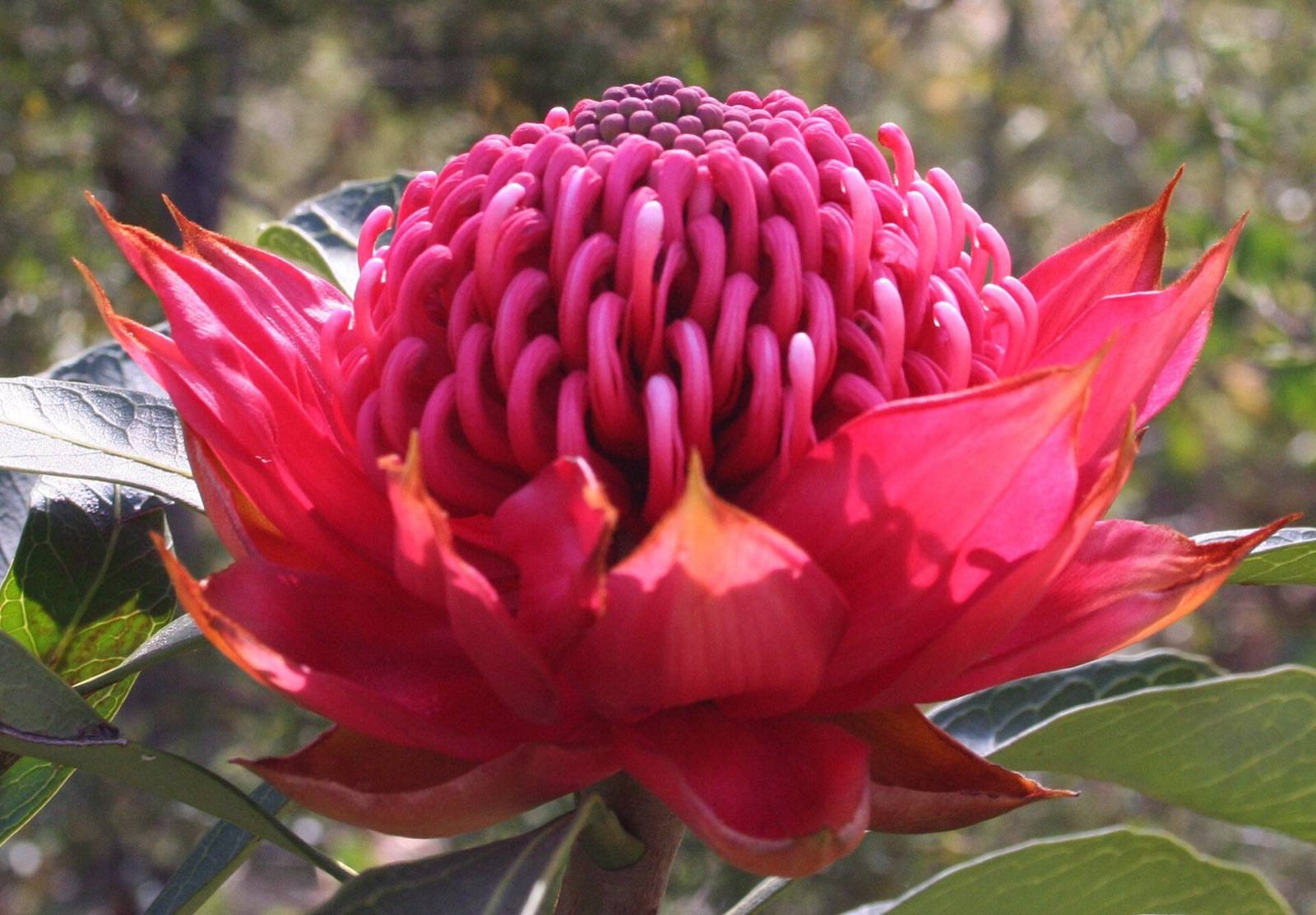
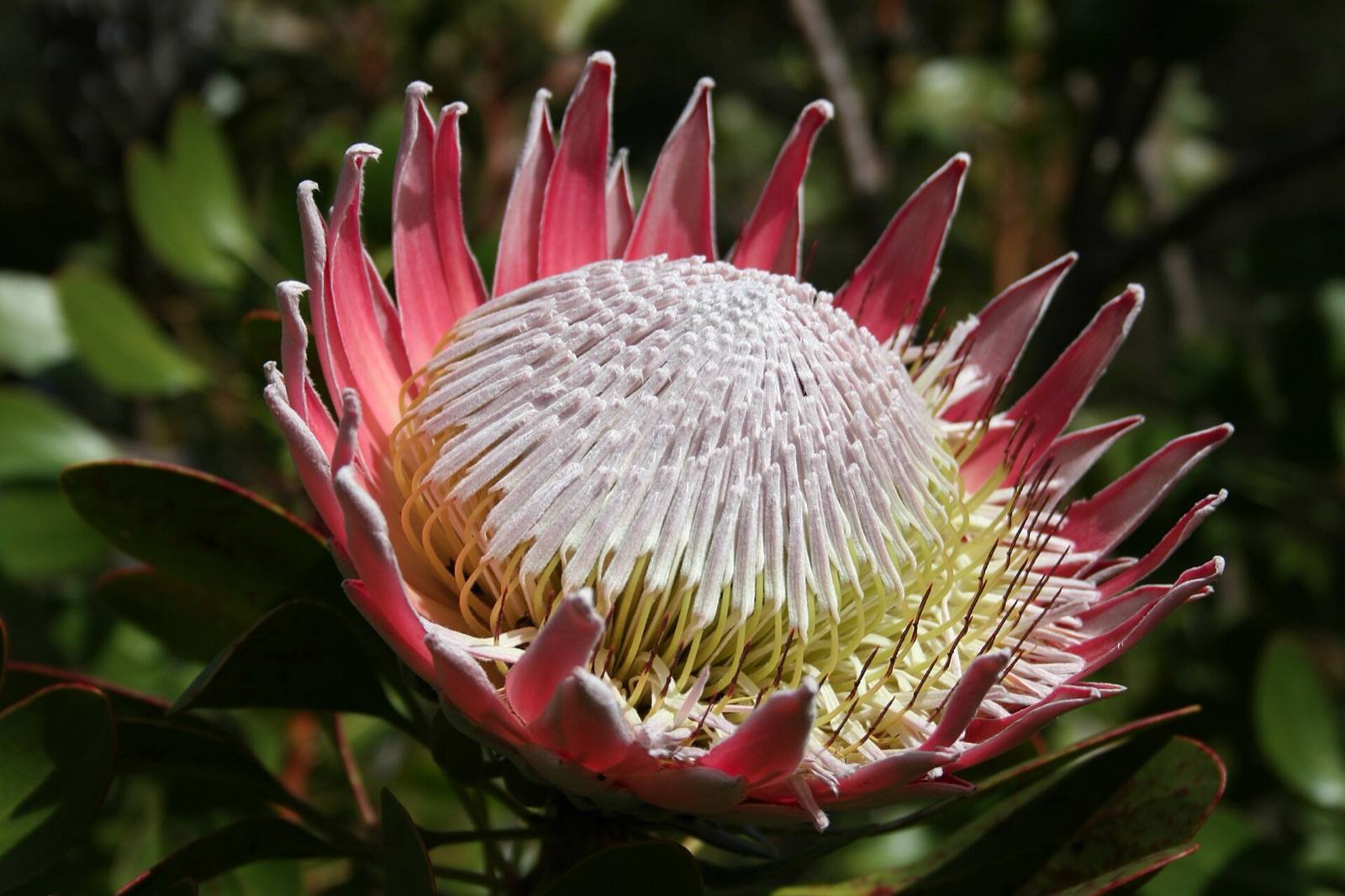
Waratah is the NSW floral emblem and one of the showiest native cut flowers. The main flush is spring: around Sydney the species flowers over about six weeks in September and October, and later in cooler, higher country. Farmed hybrids stretch the season, with early types such as Shady Lady from late winter, and a Tasmanian grower cuts from early September to mid or late December. Wild waratahs should be left in the bush and picking them is restricted in NSW, so buy farmed stems. Choose heads that have only just begun to open.
Priced by the stem; large heads on long stems cost more. Being confirmed
A fresh waratah head feels firm when you cup it, and the ring of red bracts at its base is bright and stiff. Brown or papery edges on those bracts mean it has been sitting around. The leaves should be deep green and glossy, not blackened or wilted, and the stem should be straight and solid. One big head in a bottle makes a statement, and three is plenty for a large vase, as they are heavy and bulky. Early hybrids such as Shady Lady turn up first, but stems are most plentiful and best value in October, when the main spring flush peaks.
Bondi NSW · est. 1992
A Bondi Road florist since 1992, with seasonal bouquets, arrangements, roses and potted orchids, and a weekly note on what's at market.
Waratah is Australian native.
Waratahs are grown for cut flowers on specialist native flower farms in NSW, Victoria, Tasmania, south-east Queensland and Western Australia. They want acidic, free-draining soil, reliable rain and cool nights, so many farms sit in hill country such as the Blue Mountains, the Central Coast hinterland and the Dandenongs. Being confirmed Growers mostly plant selected hybrids, which give more stems and a longer season than wild plants. In the bush, Telopea speciosissima grows as a lanky shrub in the sandstone country around Sydney, resprouting from a woody base after fire. Related species grow in the forests of East Gippsland and Tasmania, and flower later in the year.
Stems at Australian markets are mostly grown here, so when it is out of season it is hard to find. Being confirmed
Colours
Varieties to ask for
Making it last
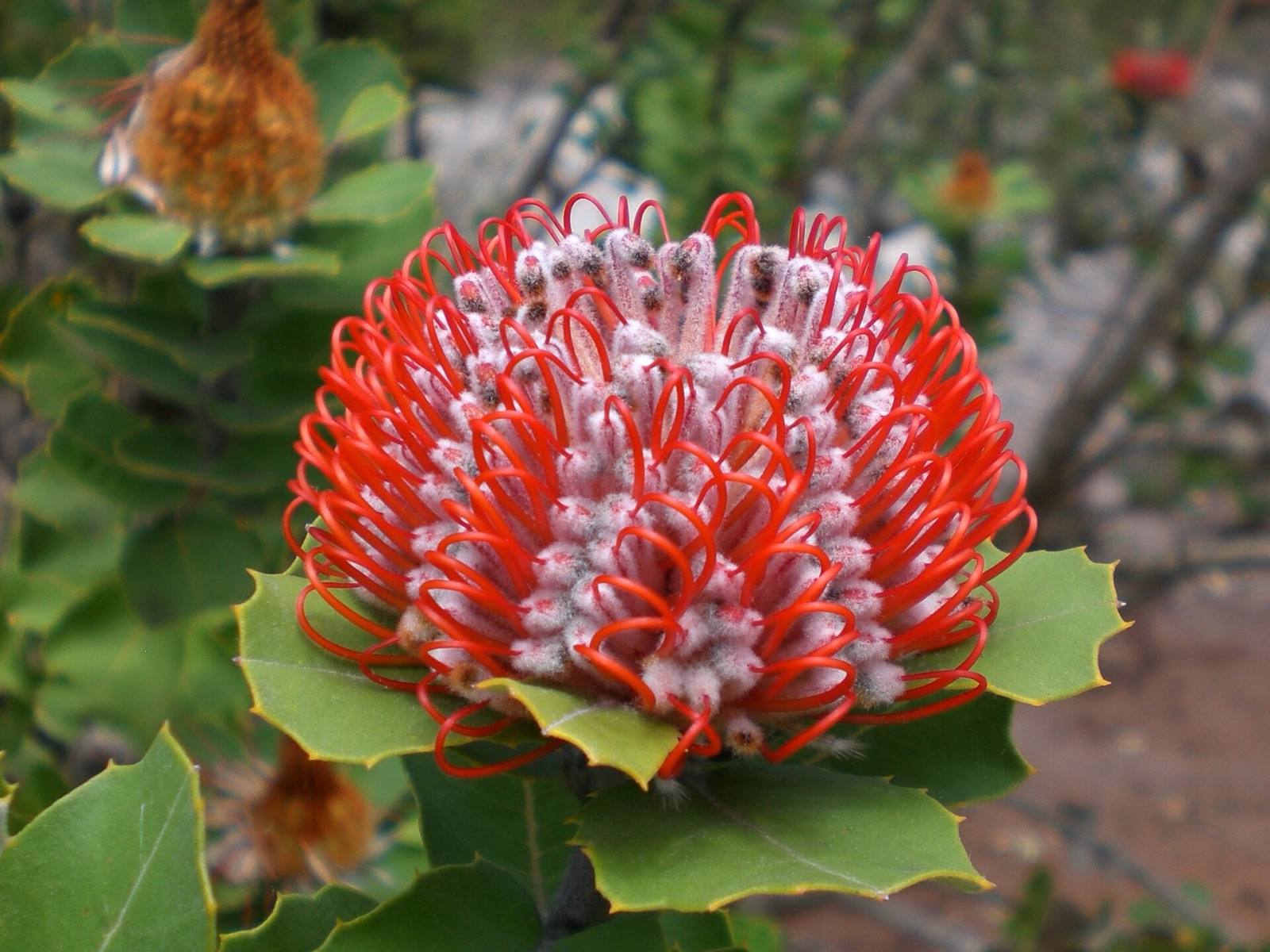
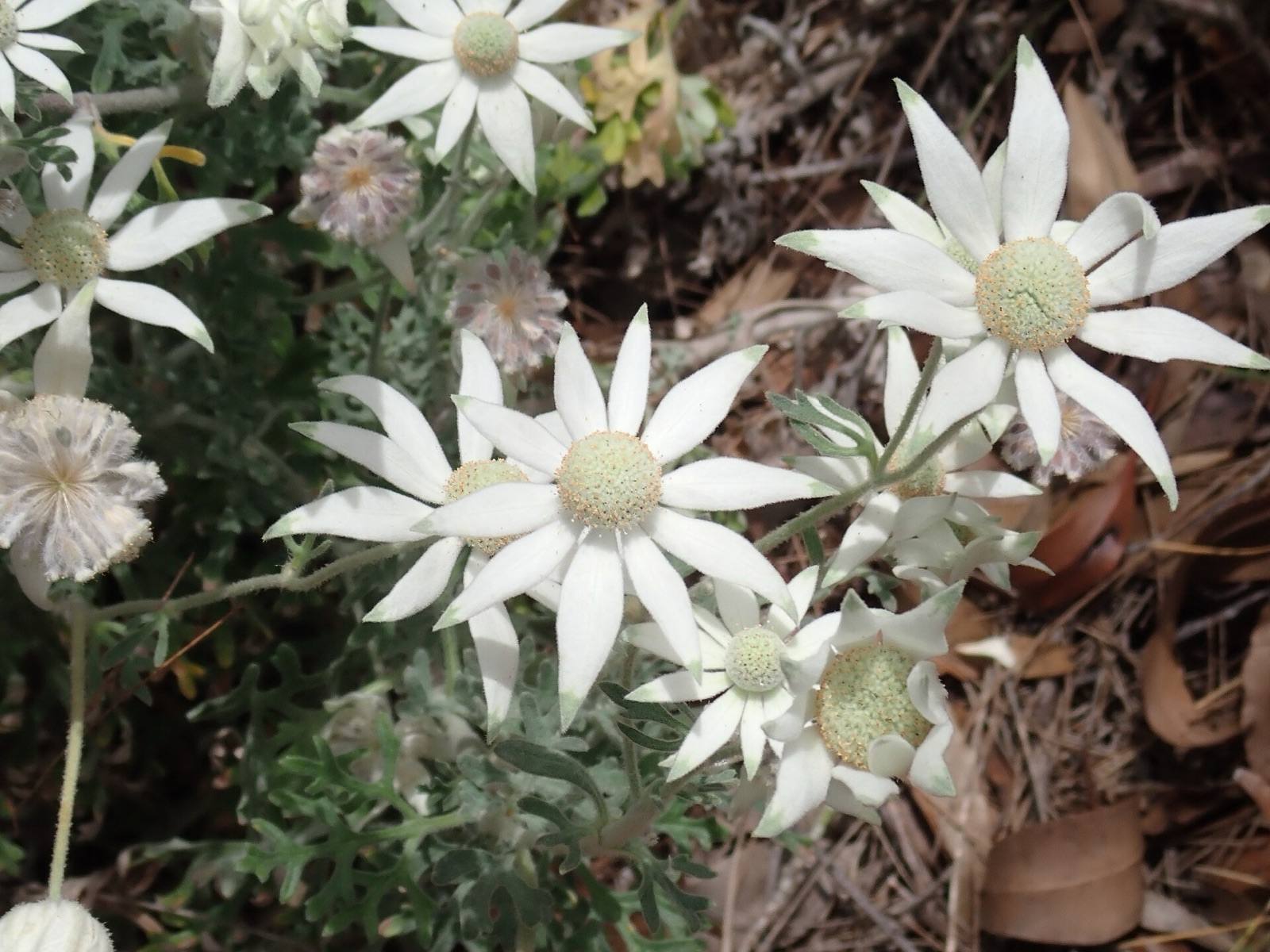
Waratahs flower alongside flannel flowers, kangaroo paw, late banksias, waxflower and the last of the proteas, so a spring native arrangement comes together easily. Grey-green eucalyptus suits the red heads. Use a heavy, wide-based vase or a ceramic jug, weighted with stones if needed, as the heads pull over. Keep it simple and let one or two heads do the work. Over the vase life the florets open from the outside of the head in towards the tip, so the head looks fuller each day. Heads can be hung upside down to dry, though the red darkens as they do. Being confirmed
The name comes from the Eora and Dharug peoples of the Sydney region.
Sydney
Best: August to OctoberBeing confirmed
Canberra
Best: September to NovemberBeing confirmed
Flemington
Best: all yearBeing confirmed
Mainly spring. Around Sydney the wild species flowers in September and October, and later in cooler areas. Early hybrids can start in late winter, and Tasmanian growers cut into December. That spread is why you'll see some guides say July to September and others September to November.
No. Wild waratahs should be left where they grow, and picking them is restricted in NSW. Plenty of farms grow waratahs for the cut-flower trade, so buy farmed stems from a florist or flower market instead.
Buy heads that have only just started to open, cut the woody stems on an angle, strip the lower leaves and use a heavy vase. Waratahs drink a lot, so top up the water every day and keep them out of hot sun.
Yes, they are native to the Sydney region, though they can be fussy in gardens. Plant in acidic, very well-drained soil with morning sun and some shelter from hot afternoons. Hybrids such as Shady Lady are the easiest start. After flowering, cut the stems back hard, which encourages more flowering stems the next spring.
Each stem carries a single big head, the season is only a couple of months long, and young plants take a few years to reach full production. The heads are bulky and bruise easily, so packing and freight cost more than for smaller flowers. Being confirmed Long stems with big heads are the dearest, and shorter stems are often better value for a home vase.