Founding florist
Tulipanna
Bondi NSW · est. 1992
A Bondi Road florist since 1992, with seasonal bouquets, arrangements, roses and potted orchids, and a weekly note on what's at market.
Australian nativeBoronia megastigma and Boronia heterophylla
Boronia is in season in Australia from August to October.Being confirmed
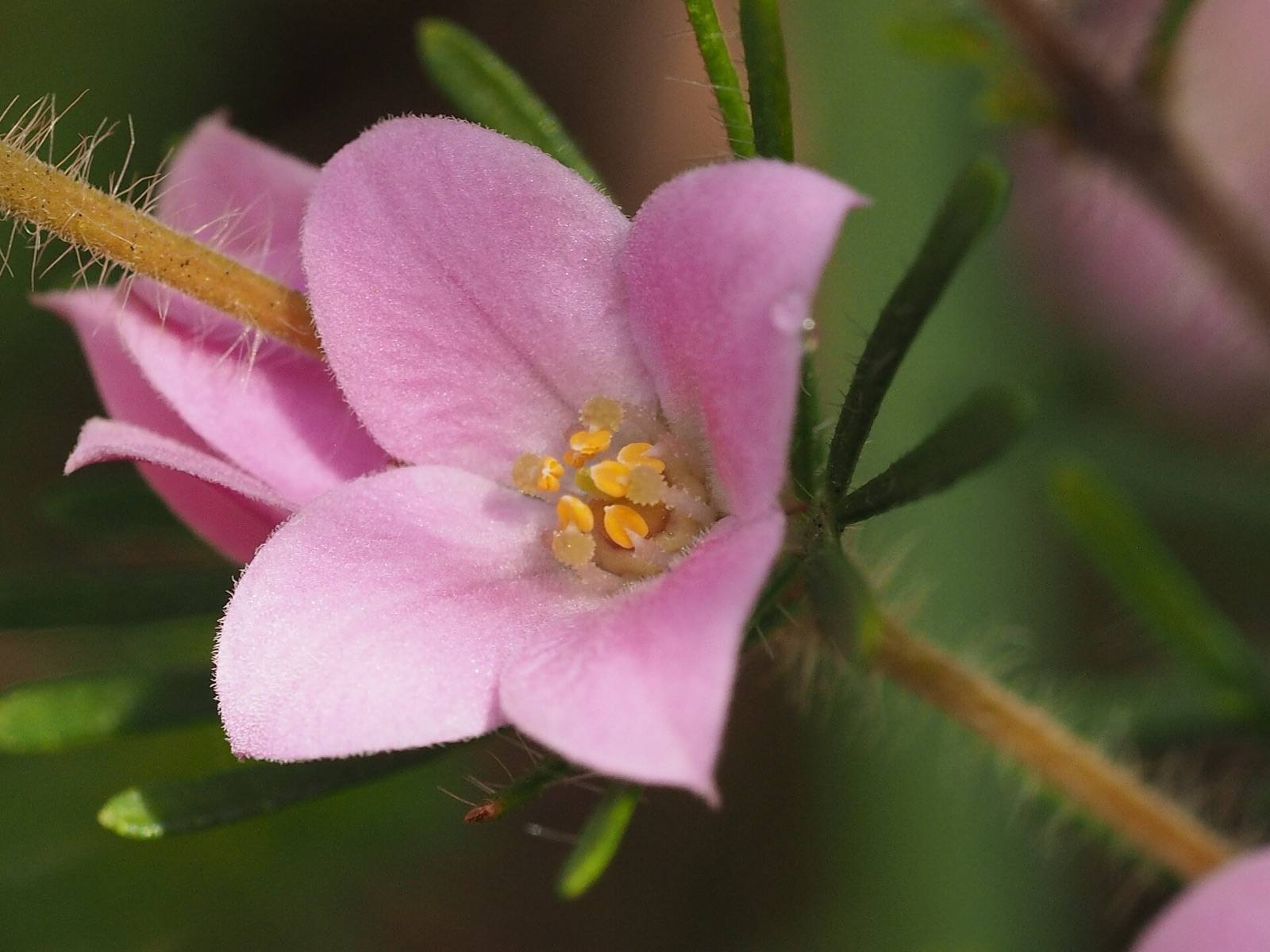
Boronia is prized for scent more than looks. Brown boronia (Boronia megastigma), from south-west Western Australia, has small cup-shaped flowers, brown outside and yellow inside, with an intense perfume; it is sought after by the cut-flower trade and also used for essential oil. Red boronia (Boronia heterophylla) gives deep pink bells. Both flower in spring and the cut window is short, so ask your florist from late winter. It struggles in humid subtropical and tropical climates, which is why most stems are grown in the south.
Sold in small bunches in a short spring window. Being confirmed
Smell the bunch before you buy. A good bunch of brown boronia is noticeable from a metre away, and a weak scent can mean the flowers are old or have been stored cold too long. Being confirmed Look for firm stems with fine leaves that are green and soft, not grey, brittle or dropping when you give the bunch a gentle shake. Avoid bunches where the lowest flowers have browned and shrivelled. One small bunch is plenty for a bedside or bathroom, and two fill a jug. The run is only a few weeks, so buy in the first half, when stems are freshest and choice is widest.
Bondi NSW · est. 1992
A Bondi Road florist since 1992, with seasonal bouquets, arrangements, roses and potted orchids, and a weekly note on what's at market.
Boronia is Australian native.
Brown boronia is native to the far south-west of Western Australia, where it grows in damp, sandy or peaty ground near swamps and creeks. Being confirmed Cut stems come mostly from native flower farms in WA, including growers north of Perth. Tasmania has commercial plantations too, including on Bruny Island, but these were set up to harvest the flowers for an extract used in food flavouring and perfume rather than for florists. Red boronia is also a south-west WA plant. In gardens boronia wants cool, moist roots, dappled light and a thick mulch, and even then most plants only live a few years.
Stems at Australian markets are mostly grown here, so when it is out of season it is hard to find. Being confirmed
Colours
Varieties to ask for
Making it last
Boronia is a filler you place for scent, so put it where you will pass it often: an entry table, a bathroom or beside the bed. Its short spring window lines up with wattle, waxflower, Geraldton wax, everlasting daisies and flannel flowers, which makes an easy all-native posy. Keep it small. A little jar or bud vase suits the fine, woody stems better than a big vase. The perfume builds as more flowers open over the first few days, then fades as they brown. Snip out browned sprigs as you go to keep the scent clean.
Boronia flowers in spring and the cut-flower window is short, usually a few weeks around September. If you want it for a particular date, ask your florist from late winter, because stems sell quickly once they arrive.
Brown boronia has one of the most intense perfumes of any Australian plant, strong enough that its flowers are used to make essential oil for perfumery. The scent is strongest when about half the flowers on a stem are open.
It is hard going. ANPSA notes brown boronia struggles in humid subtropical and tropical climates, and it is short lived even where it grows well. Many gardeners treat it as a short-term plant worth growing for the fragrance.
Boronia is naturally short lived and fussy about its roots. It needs soil that stays cool and moist but never waterlogged, which is a hard balance in pots and hot gardens. Mulch well, give it morning sun and afternoon shade, water through dry spells and tip prune after flowering to keep it bushy.
Brown boronia has a rich, sweet and slightly fruity scent, which is why its extract is used to lift fruit flavours in food. Not everyone smells it the same way. One of its main scent compounds, beta-ionone, is one that some people barely detect, so a bunch can seem strong to one person and faint to another. Being confirmed