
WA Wildflower Season 2026
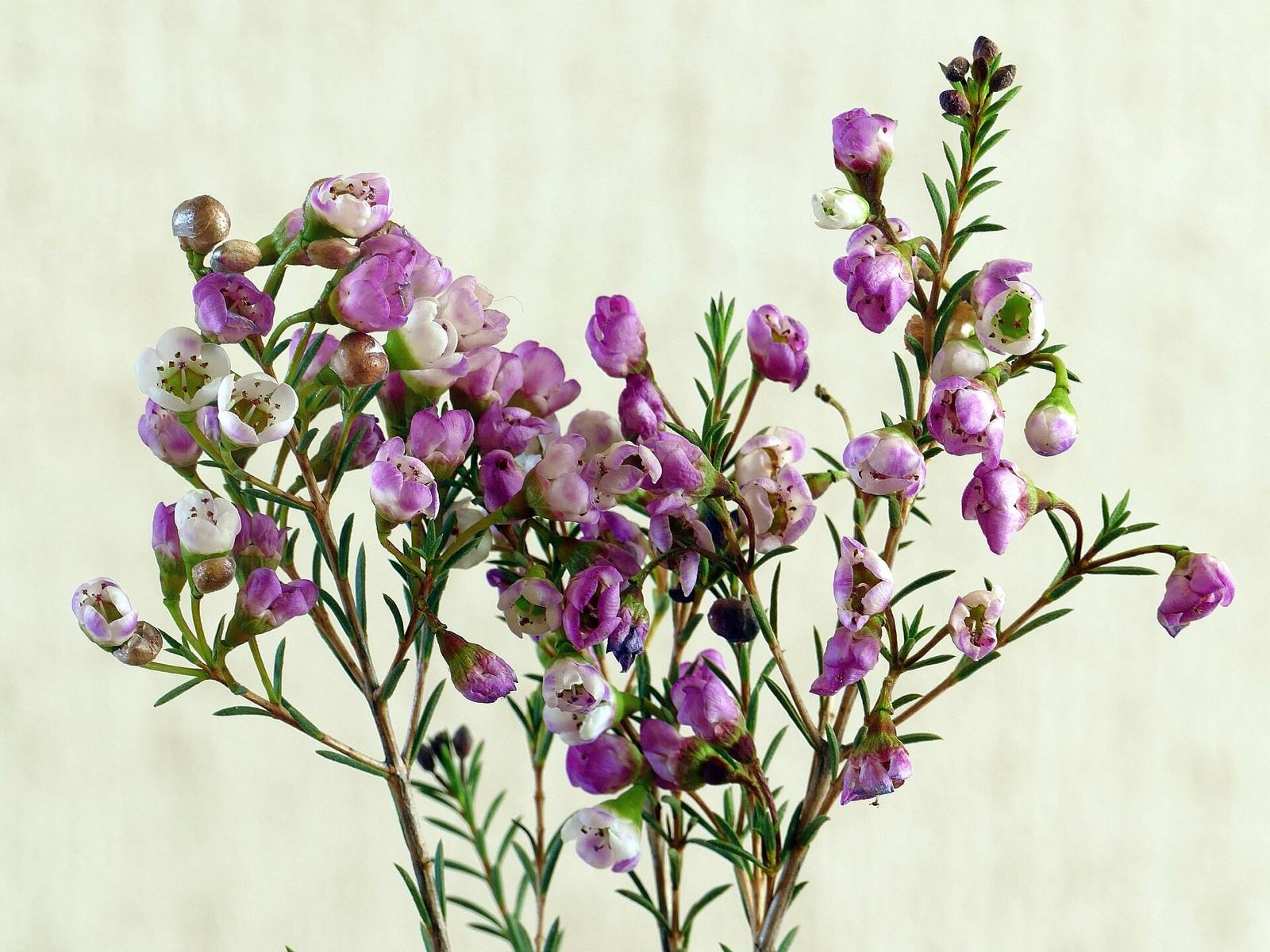
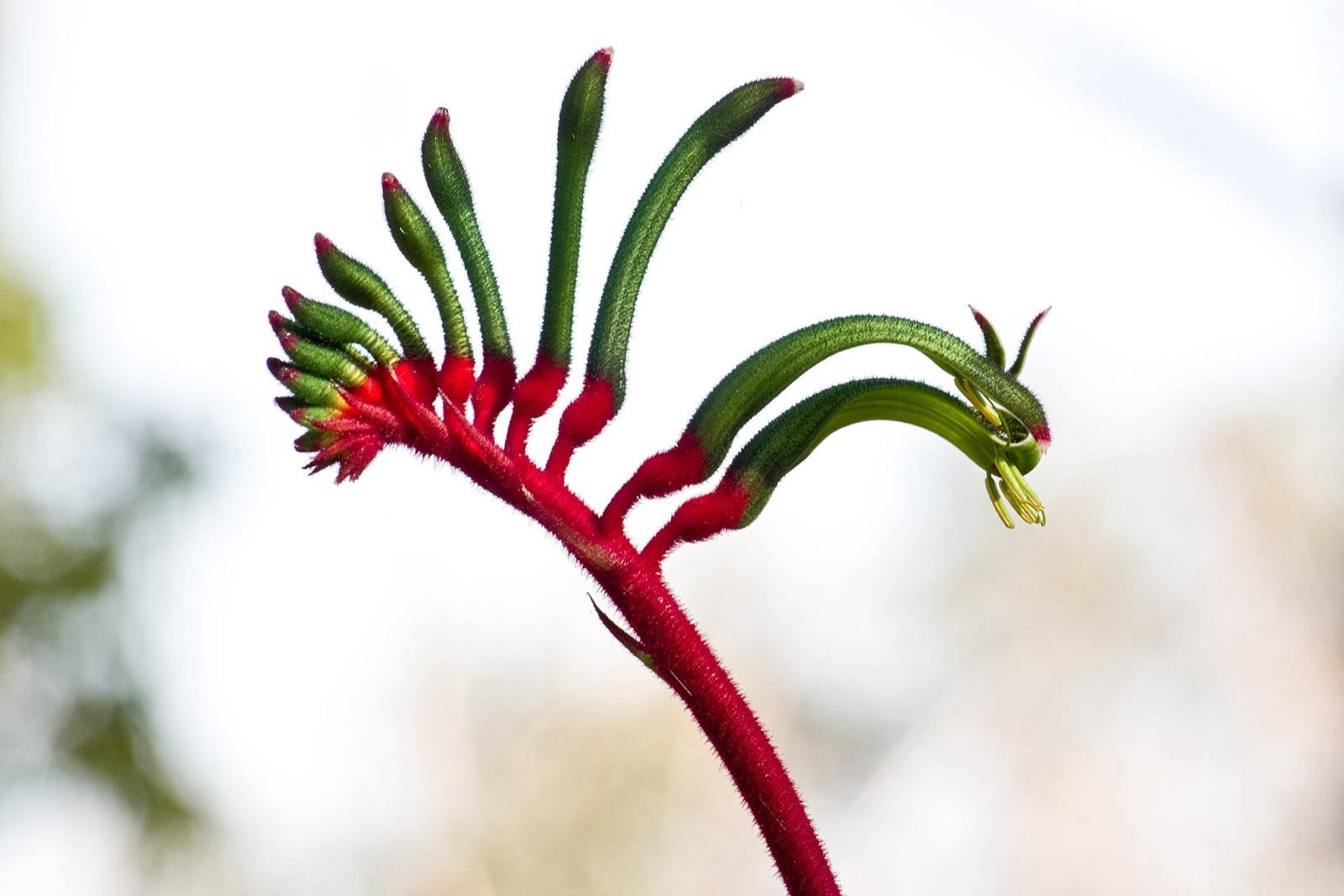
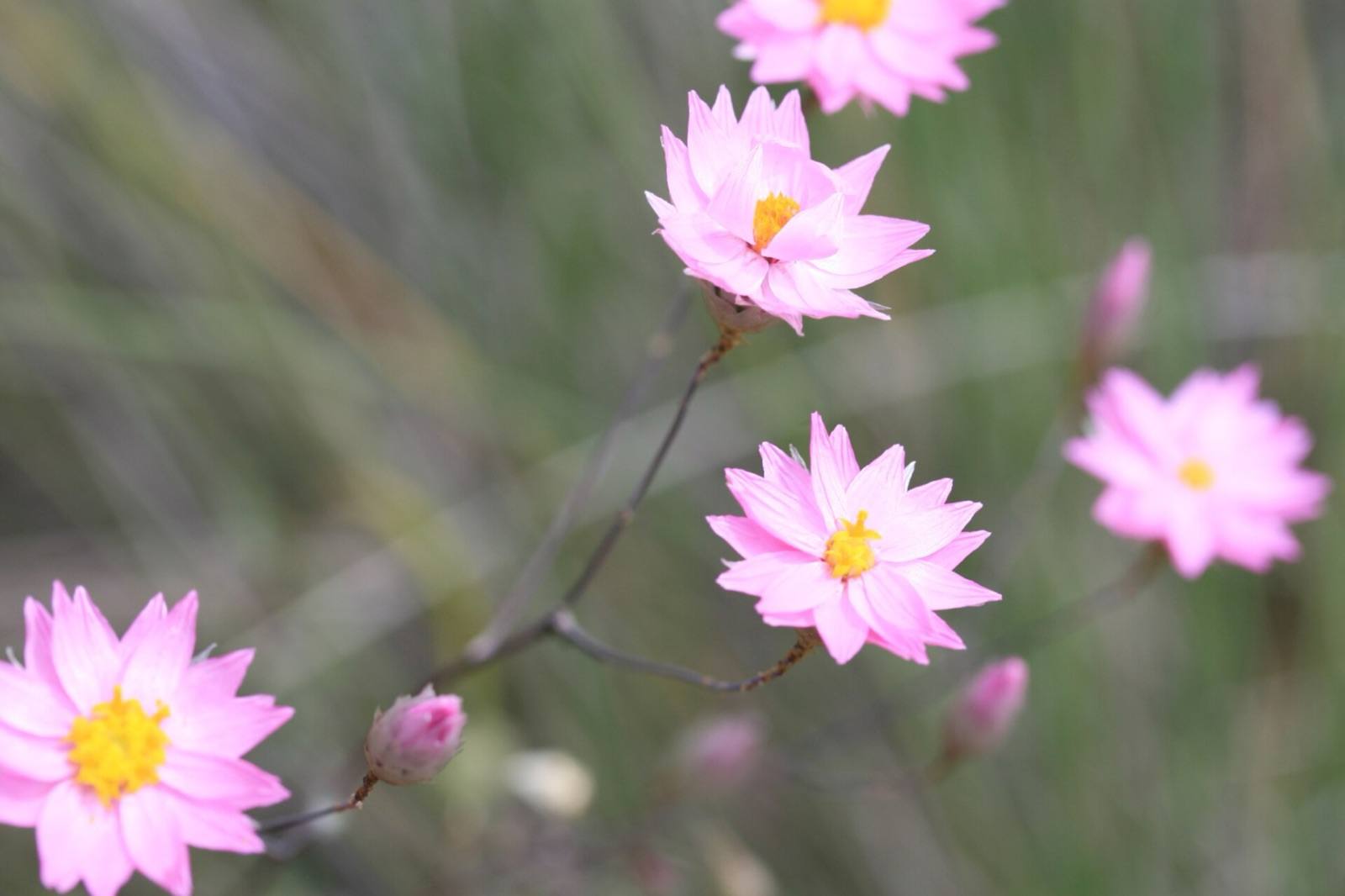
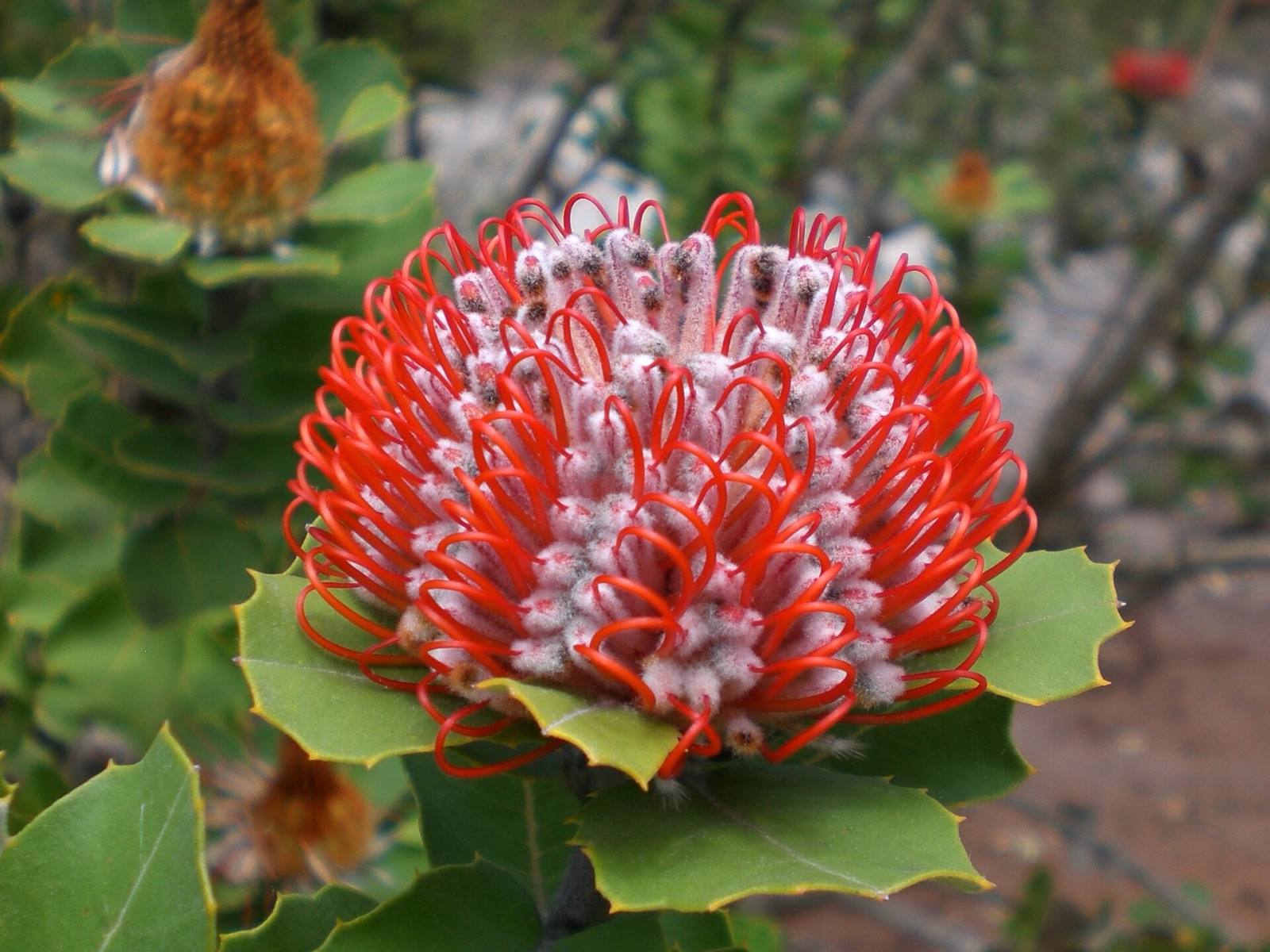
Everlasting daisyKangaroo pawBanksiaGeraldton wax
Australian nativeChamelaucium uncinatum
Geraldton wax is in season in Australia from August to October. In Western Australia the season runs June to November.Being confirmed
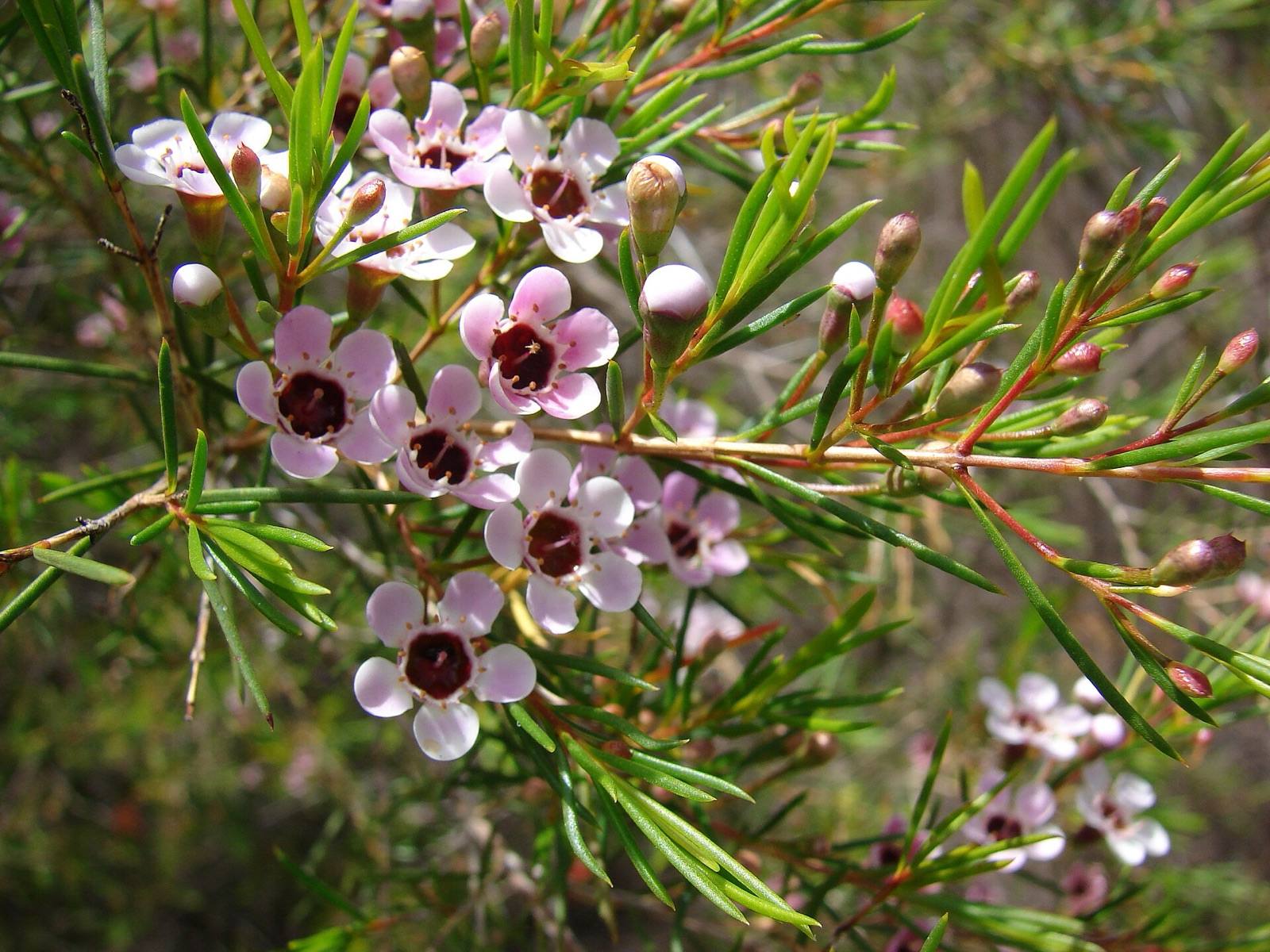
Geraldton wax is the wild species behind the waxflower sold by florists. It is a Western Australian shrub of the coastal sandplains between Perth and Geraldton, flowering through winter and spring with white, pink or purple blooms and fine, aromatic, needle-like leaves. Seeing it in flower is part of the WA wildflower season, and Kings Park's waxflower and kangaroo paw garden shows the species beside hybrids bred by the park's own team. The farmed cut stems are covered under waxflower; leave wild plants unpicked. It also makes a tough, bee-friendly garden hedge.
For cut stems, see waxflower. Being confirmed
Stems sold as Geraldton wax are almost always farmed waxflower. Look for bunches with about half the flowers open and the rest in tight, round buds. Give the bunch a light shake over the bench, and if flowers fall, it is old or has been stressed. The needles should be green and springy, not dry or grey. Crush a leaf and it should smell of lemon. One bunch is plenty for a vase, as the stems branch. For the garden, buy a compact, bushy plant in autumn or spring and avoid pots with dry, brown patches or roots circling the base.
We're still finding florists who stock geraldton wax. Check your local flower market.
Geraldton wax is Australian native.
Geraldton wax grows naturally on deep coastal sands between Perth and Geraldton, in heath and low woodland, as a shrub up to about 3 metres. Being confirmed It is the parent of a big native cut-flower industry. Waxflower is one of Australia's leading native cut flowers at home and for export, with large farms in WA and a second growing area near Gatton and Toowoomba in Queensland, where harvest starts a few weeks earlier. Growers use hybrids and selections bred for colour, stem length and vase life, including those developed at Kings Park. In gardens it wants sandy soil and dry summers.
Stems at Australian markets are mostly grown here, so when it is out of season it is hard to find. Being confirmed
Colours
Making it last
Geraldton wax is a filler with presence. Its fine needles and small flowers break up heavier blooms, so in spring use it with kangaroo paw, banksia and everlasting daisies for a WA wildflower jar. In late winter it also lightens a bunch of wattle. A medium jug or a wide-mouthed vase suits the branching stems. The flowers open from round buds over the first week, and the centres darken as they age. It dries reasonably well hung upside down, though some flowers drop, and the leaves keep their scent. Being confirmed
Everlasting daisyKangaroo pawBanksiaGeraldton wax
Kangaroo pawEverlasting daisyBanksiaGrevillea
Perth
Best: September to OctoberBeing confirmed
Jurien Bay
Best: September to NovemberBeing confirmed
It flowers through winter and spring in Western Australia, roughly June to November, with the fullest display from about August. That lines up with the WA wildflower season, so it is one of the shrubs you'll see in flower on a spring wildflower trip.
Geraldton wax is the wild species, Chamelaucium uncinatum. Waxflower is the trade name for the farmed Chamelaucium florists sell, which are mostly hybrids bred from Geraldton wax and its relatives. If you are buying cut stems, you are almost always buying waxflower.
It grows naturally on the coastal sandplains between Perth and Geraldton. In Perth, Kings Park's Waxflower and Kangaroo Paw Garden shows the species alongside hybrids bred by the park. Enjoy wild plants where they grow and leave them unpicked.
It can be tricky. Geraldton wax is used to dry summers and sandy soil, and Sydney's humid summers and clay soils can bring on root rot. Grafted plants and hardier hybrids cope better. Plant in a raised bed or large pot of sandy mix in full sun, and water sparingly once established. Being confirmed
Waxflower is sensitive to ethylene, the gas given off by ripening fruit and ageing flowers, and it responds by dropping flowers. Heat and dry stems make it worse. Keep the vase away from the fruit bowl, recut the stems, use fresh water and pull out any spent flowers from the arrangement.