Founding florist
Tulipanna
Bondi NSW · est. 1992
A Bondi Road florist since 1992, with seasonal bouquets, arrangements, roses and potted orchids, and a weekly note on what's at market.
Seasonal cut flowerFreesia hybrids
Freesia is in season in Australia from August to October. In New South Wales the season runs September to October. In Victoria the season runs September to October. In South Australia the season runs September to October.Being confirmed
Freesias are South African bulbs that flower in spring here: August to October in Perth and September to October in south-east Australia. They are loved for their scent, and each stem carries a row of buds that open one after another. Market supply runs much longer than the garden season, with Brisbane's Northside Flower Market listing freesias from February through to December. They have also naturalised as a weed in parts of southern Australia, so keep bulbs in the garden and away from bushland.
Usually sold by the bunch. Being confirmed
Look for a straight or gently curved stem with a neat row of plump buds, the lowest flower open and the next one showing colour. Sniff before you buy, as scent fades on older stems and some colours, often the whites and yellows, smell stronger than others. Being confirmed Leaves and stems should be green and firm, with no yellowing or slimy ends. Skip bunches where the lowest flowers have gone papery. Freesias are slim, so two bunches suit a small vase, or use one among other flowers. Spring is the time to buy, when local stems are most plentiful and the scent is at its best.
Bondi NSW · est. 1992
A Bondi Road florist since 1992, with seasonal bouquets, arrangements, roses and potted orchids, and a weekly note on what's at market.
Freesia is not native to Australia, but it's grown here commercially.
Freesias grow from small corms that are planted in autumn, shoot through winter and flower in spring. In Australia they turn up two ways. Home gardens, and the bushland where they have escaped, give the spring flush, especially in the Mediterranean climates around Perth and Adelaide. Cut-flower growers raise them as a crop in fields and under cover, which helps explain why markets carry them for so much of the year. Being confirmed Most are grown by mixed cut-flower farms rather than freesia specialists. Being confirmed The common naturalised type is cream with a yellow throat, while florist hybrids come in stronger colours and doubles.
We're still checking whether out-of-season freesia is imported into Australia, and from where. If you see it outside the months above, ask your florist where it came from.
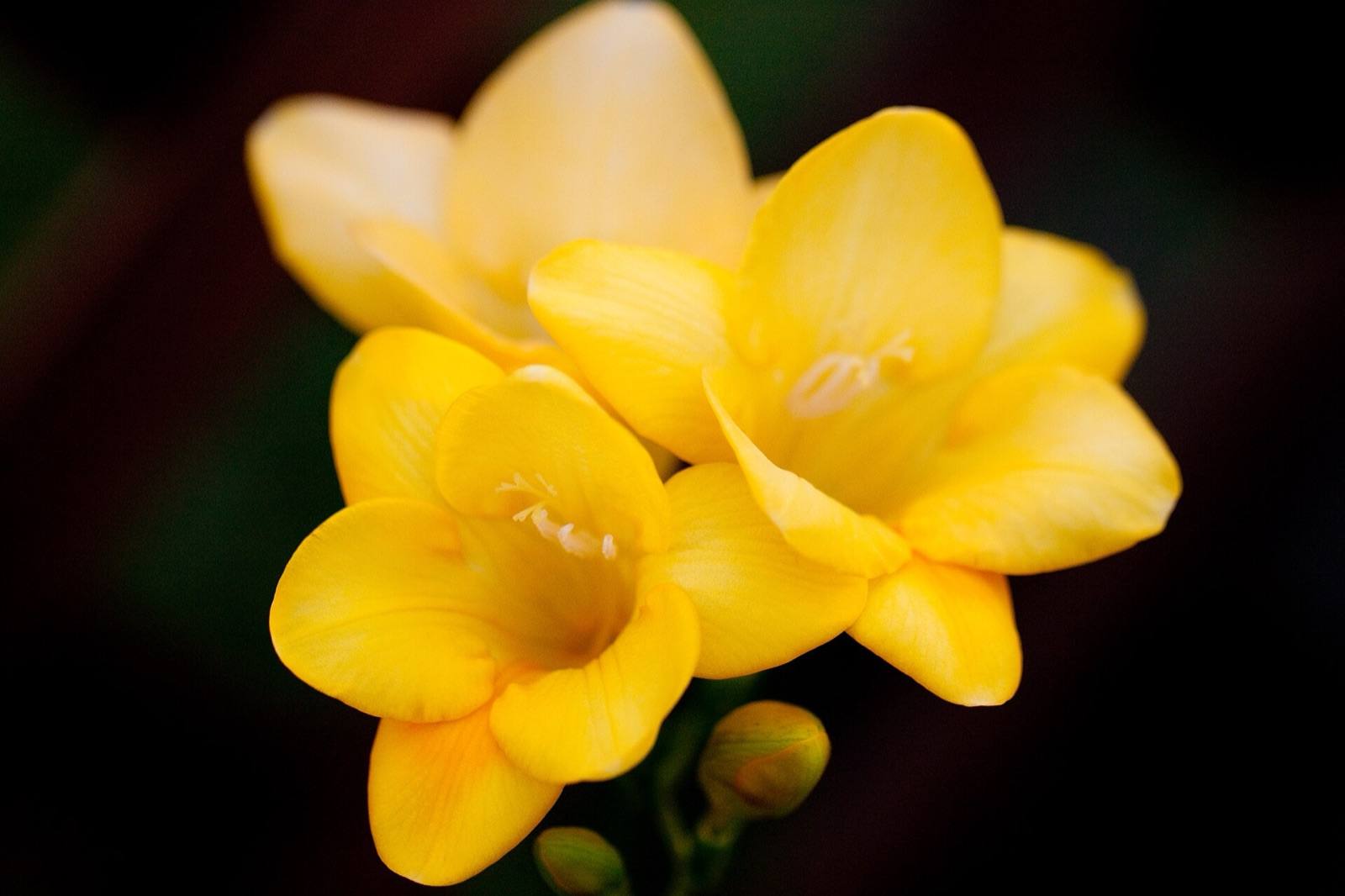
Colours
Making it last
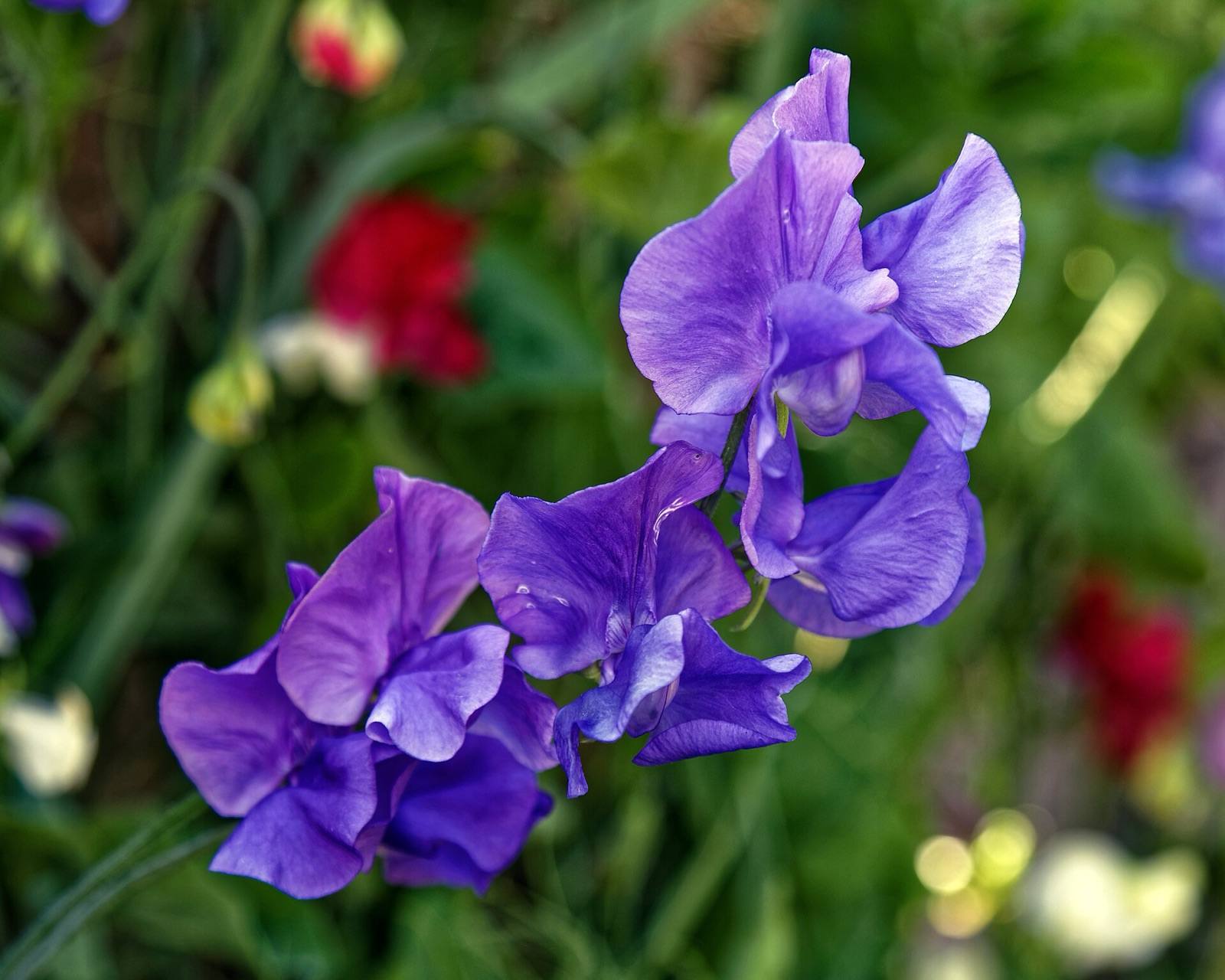
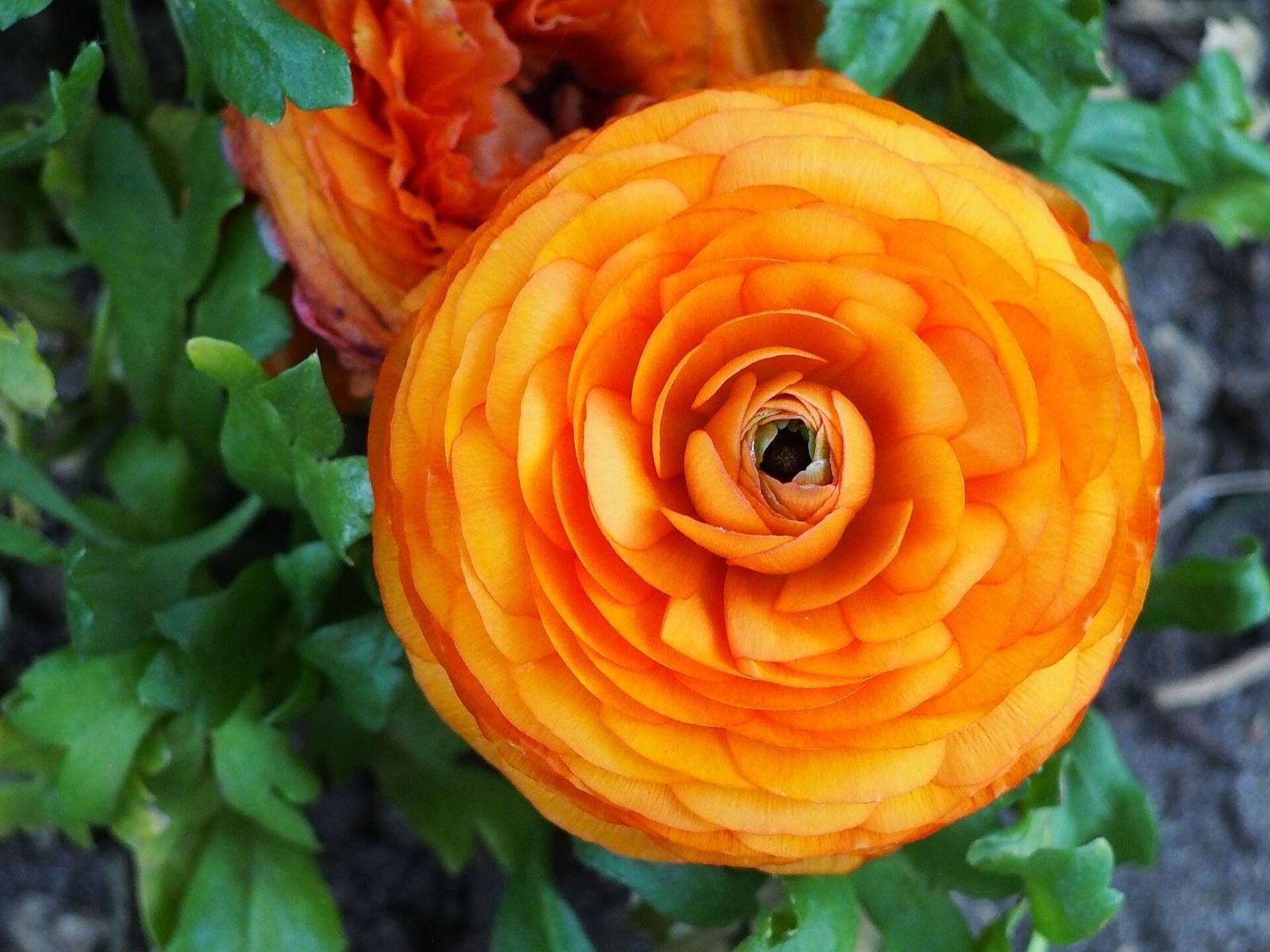
Freesias look best in a narrow vase where the stems can lean, so the flowers show along their curve. In spring they pair with ranunculus, anemones and sweet peas for a mixed jar, or with tulips for a cleaner look. A few stems will scent a room better than most flowers. Buds open one at a time from the bottom up, so the bunch changes from day to day, and the last buds at the tip are smaller and paler. Freesias do not dry well, but single flowers press nicely for cards.
Commonly associated with friendship and trust.
Garden freesias flower in spring, from August to October in Perth and September to October in south-east Australia. Markets carry them for longer: Brisbane's Northside Flower Market lists freesias from February to December. The scented spring stems are the classic.
Freesia buds open in order up the stem, and the top ones need energy to do it. Buy stems with just one or two flowers open, use flower food, recut the stems every few days and snip off faded flowers so the rest keep coming.
No, freesias come from South Africa. They were brought in as garden plants and have naturalised in parts of NSW, Victoria, South Australia, Tasmania and WA, where they are treated as an environmental weed.
The ASPCA lists freesias as non-toxic to cats and dogs, although eating any plant can cause a mild upset stomach. That makes them one of the safer scented flowers for a home with pets. Keep corms away from dogs that dig, as eating a lot of any bulb is best avoided.
Plant freesia corms in autumn, around March to May, about 5cm deep in a sunny spot with free-draining soil. Being confirmed They grow through winter and flower in spring. After flowering, let the leaves die back and keep the soil fairly dry over summer. Grow them away from bushland, as they spread readily.