Founding florist
Tulipanna
Bondi NSW · est. 1992
A Bondi Road florist since 1992, with seasonal bouquets, arrangements, roses and potted orchids, and a weekly note on what's at market.
Seasonal cut flowerRanunculus asiaticus
Ranunculus are in season in Australia from July to October. In Victoria the season runs August to November.Being confirmed
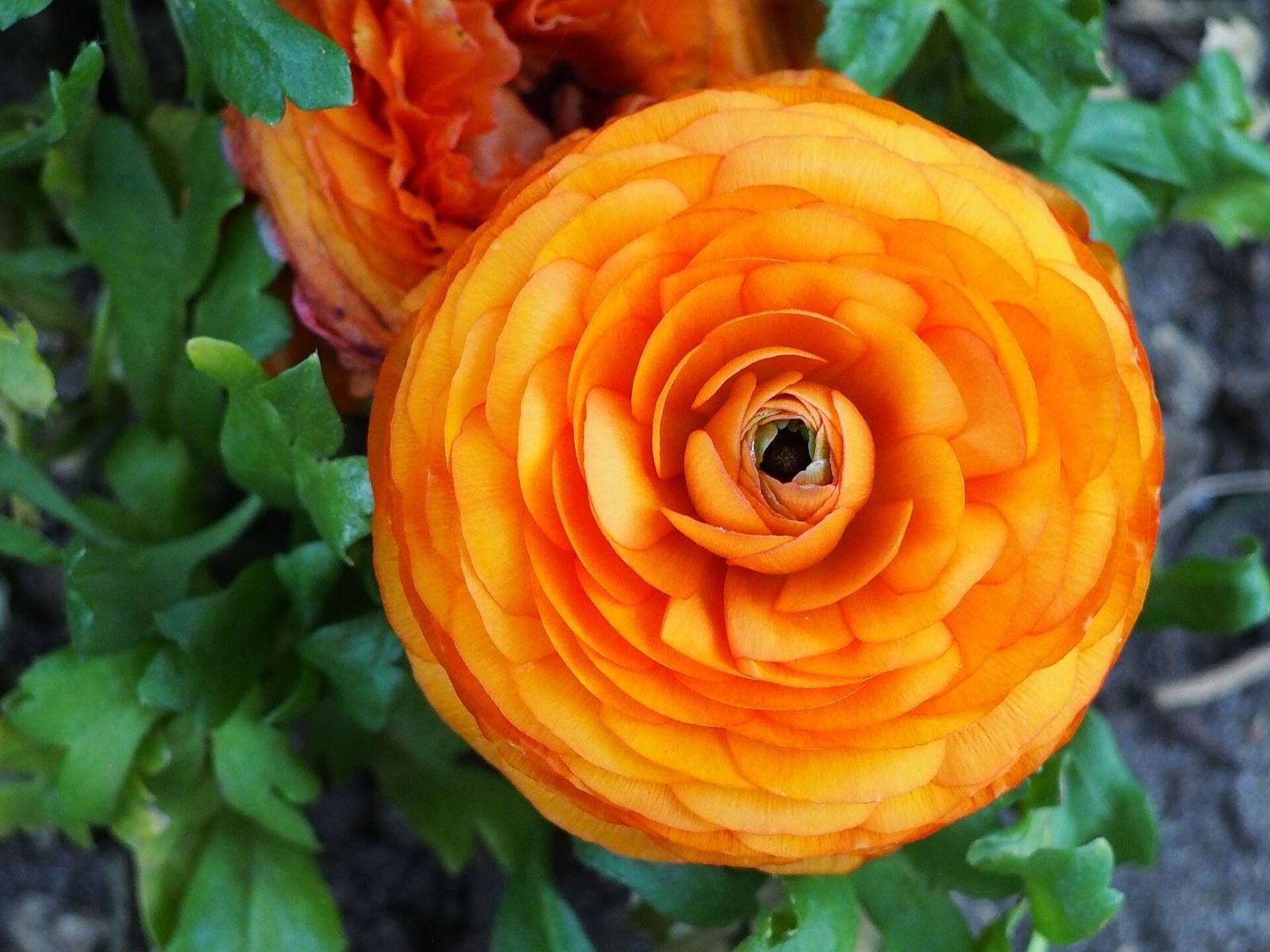
Ranunculus are a cool-season flower, at Australian markets from about July to October, with some early stems from June and a tail into November in cooler parts of Victoria. They are grown commercially here, and small flower farms in Victoria, South Australia and the NSW Southern Highlands grow them for spring picking. Look for the Italian-bred Butterfly types with waxy, branching stems and the big multicoloured Festival series. Their tightly layered petals open slowly over a week.
Sold by the bunch. Best value in the middle of the season, from about August to September. Being confirmed
Give the bud a gentle squeeze. A good ranunculus shows full colour and gives a little, like a marshmallow, but the petals are still wrapped around the centre. Hard green buds may never open properly. Check the neck just under the head, where the stem bends and snaps first, and pass over any with a soft neck, grey patches or yellowing leaves. They have almost no scent, so your nose won't help here. A bunch of ten fills a medium vase, and twenty makes a proper show. August and September bring the most stems and the best quality for the money.
Bondi NSW · est. 1992
A Bondi Road florist since 1992, with seasonal bouquets, arrangements, roses and potted orchids, and a weekly note on what's at market.
Ranunculus are not native to Australia, but they're grown here commercially.
Ranunculus grow from small, clawed corms planted in autumn, and they flower as the days lengthen through late winter and spring. Commercial crops for the flower markets are grown in open fields and under plastic tunnels, which keep rain and frost off the soft stems. Being confirmed Alongside the bigger growers, many small flower farms in Victoria, South Australia and the NSW Southern Highlands grow them for local florists and farm-gate sales, as they like the cool nights in those districts. The popular Butterfly types are bred in Italy, and growers here buy in fresh corms or young plants each year. Being confirmed Once November heat arrives, the plants stop producing good stems.
Stems at Australian markets are mostly grown here, so when they are out of season they are hard to find. Being confirmed
Colours
Varieties to ask for
Making them last
Ranunculus sit happily with the other cool-season flowers that share their months: anemones, tulips, freesias and, from August, sweet peas. In late winter a few sprigs of wattle pick up the lemon and apricot shades. Keep the arrangement low and loose in a squat jar or a footed bowl, since the hollow stems prefer shallow water. Over the week the heads open from a tight ball into a wide, papery cup almost twice the size, so leave room between stems. Butterfly types look best in a simple glass where their branching stems show.
In the Victorian language of flowers, "I am dazzled by your charms".
Flowerdale
Open: January to AprilBeing confirmed
Lyndoch
Open: not yet confirmedBeing confirmed
Brukunga
Open: not yet confirmedBeing confirmed
Flemington
Best: all yearBeing confirmed
Epping
Best: all yearBeing confirmed
Ranunculus are at Australian markets from about July to October, with the best quality in August and September. Early stems can appear in June, and Melbourne florists often see them into November. Growers and florists broadly agree it is a late winter and spring flower.
Koch & Co puts it at up to seven days with good care. Buy them just as they start to open, keep them away from fruit bowls and change the water often. Their stems are hollow, so use a shallow vase and avoid squashing them.
Butterfly ranunculus are a type with fewer, glossy petals and branching stems carrying several smaller flowers. They last well and are popular with florists for a looser, garden look.
Yes. Plant the corms in April or May, once the soil has cooled. Soak them for a few hours first, then plant claws down about 5cm deep in a sunny, well-drained bed or pot. They flower from late winter into spring. Sydney's warm, humid spring days shorten the season compared with Melbourne or the Southern Highlands, so plant early.
They look alike in photos, but ranunculus are smaller, with thin, tightly layered petals, hollow stems and almost no scent. Peonies are bigger, often fragrant and grow from long-lived plants that come back each year. In Australia ranunculus arrive first, from about July, while peonies are a late spring flower from October to December.