Bridestowe Estate
Nabowla
Best: December to JanuaryBeing confirmed
Seasonal cut flowerLavandula angustifolia and other Lavandula
Lavender is in season in Australia from December to January.Being confirmed
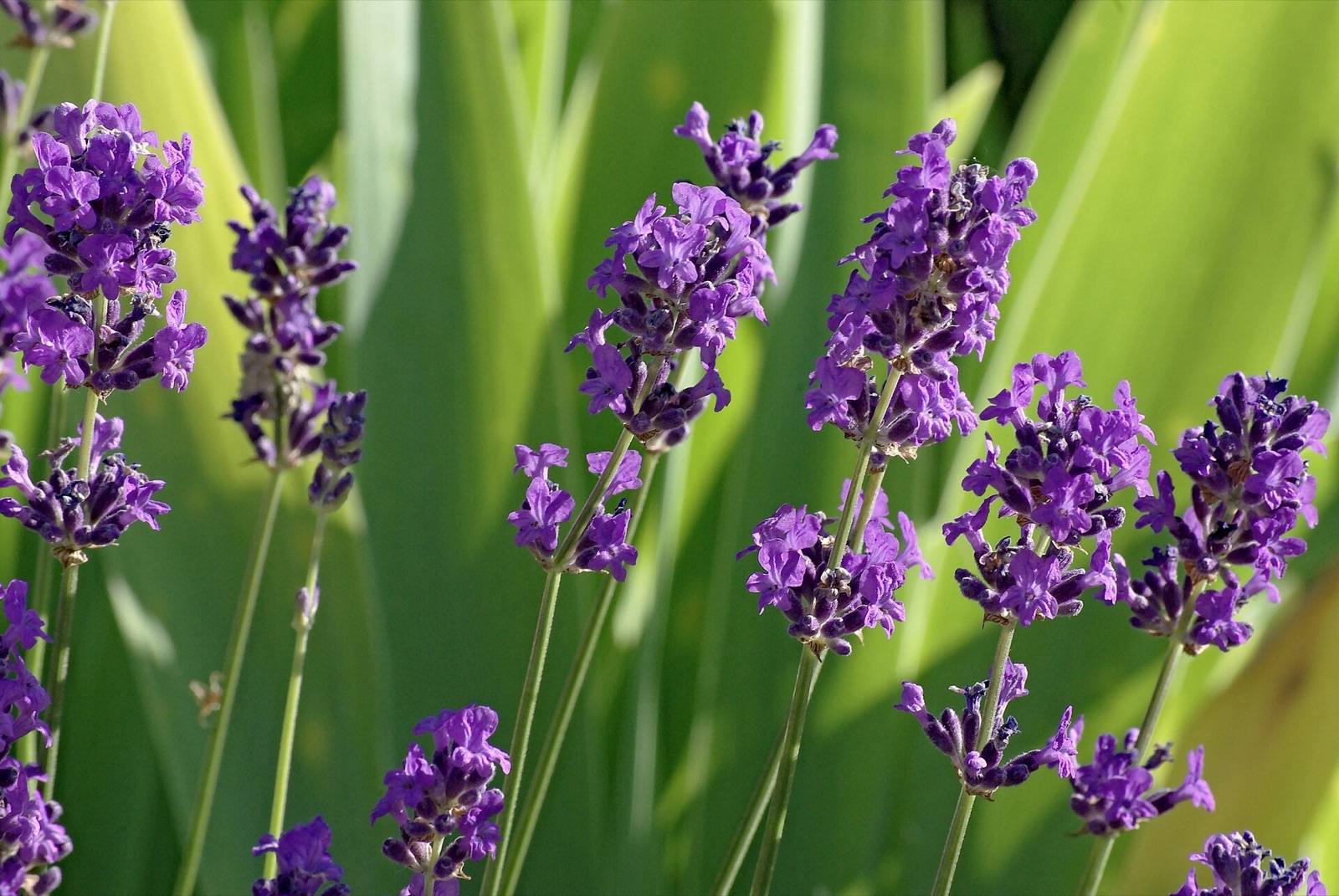
Lavender is a summer flower here. At Bridestowe Estate in north-east Tasmania, Australia's best-known lavender farm, the fields bloom in December and January and are mostly harvested by February, with mid-December to mid-January the best time to visit. Fresh bunches are around in early summer, and dried bunches keep the season going all year. Brisbane's Northside Flower Market lists lavender over a much longer window, from September to April, so fresh stems can turn up well outside the Tasmanian bloom.
Fresh bunches are seasonal; dried bunches are sold year round. Being confirmed
Look for spikes with deep, even colour and no grey or brown flowers at the base of each head. Rub one gently between your fingers: fresh lavender smells sweet and clean, while old stock smells dusty or musty. Stems should be firm and grey-green, not limp, wet or blackened where they have been standing in water. Fresh bunches are the best value in December and January when farms are cutting. One generous bunch fills a small jug, and buy two if you plan to dry some. Dried bunches should hold their colour and not shed much when shaken.
We're still finding florists who stock lavender. Check your local flower market.
Lavender is not native to Australia, but it's grown here commercially.
Most Australian lavender is field grown in the cooler south, with Tasmania the best known. Bridestowe at Nabowla, north-east of Launceston, covers about 105 hectares and was planted from 1921 by a London migrant who picked the same latitude south as the lavender country of Provence. Victoria has farms near Daylesford, the Dandenong Ranges and the Mornington Peninsula, and New South Wales has fields within a couple of hours of Sydney. Many of these farms grow mainly for oil and skincare products, with fresh bunches a smaller sideline. Being confirmed
We're still checking whether out-of-season lavender is imported into Australia, and from where. If you see it outside the months above, ask your florist where it came from.
Colours
Making it last
Lavender looks best kept simple, in a short glass, a jam jar or a small enamel jug. For a summer mix, try it with white lisianthus and pale blue hydrangea, both in season in December and January, or tuck a few stems around delphinium for a jar of blues and purples. Kept in only a little water, fresh lavender often dries where it stands, so a bunch bought for the table can go into a drawer or linen cupboard a couple of weeks later.
Nabowla
Best: December to JanuaryBeing confirmed
Lavender flowers in summer. In Tasmania the Bridestowe fields bloom in December and January and are harvested by February. Brisbane's Northside Flower Market lists lavender from September to April, and dried bunches are available all year.
Mid-December to mid-January is the best window for full bloom. Timing is up to the weather, so the estate can't promise a date. By February most fields have been harvested for oil and products.
Cut stems when about half the flowers on each spike are open. Tie small bunches and hang them upside down somewhere dark, dry and airy for a couple of weeks. Keep dried bunches out of direct sun so the colour holds.
The ASPCA lists lavender as toxic to cats, dogs and horses. It contains linalool and linalyl acetate, which can cause nausea and vomiting and put pets off their food if eaten. Keep bunches, dried sachets and lavender oil away from pets that chew plants, and call your vet if you're worried.
Yes, but pick the right type. English lavender prefers cool, dry summers and often struggles with Brisbane humidity. French, Spanish and Italian lavenders handle warmth and humidity better. Plant in full sun, in free-draining soil or a raised bed, give plants room for air to move, and go easy on the watering.