_-_Wilpena_Pound_-_South_Australia_-_28_Dec._2005.jpg)
WA Wildflower Season 2026
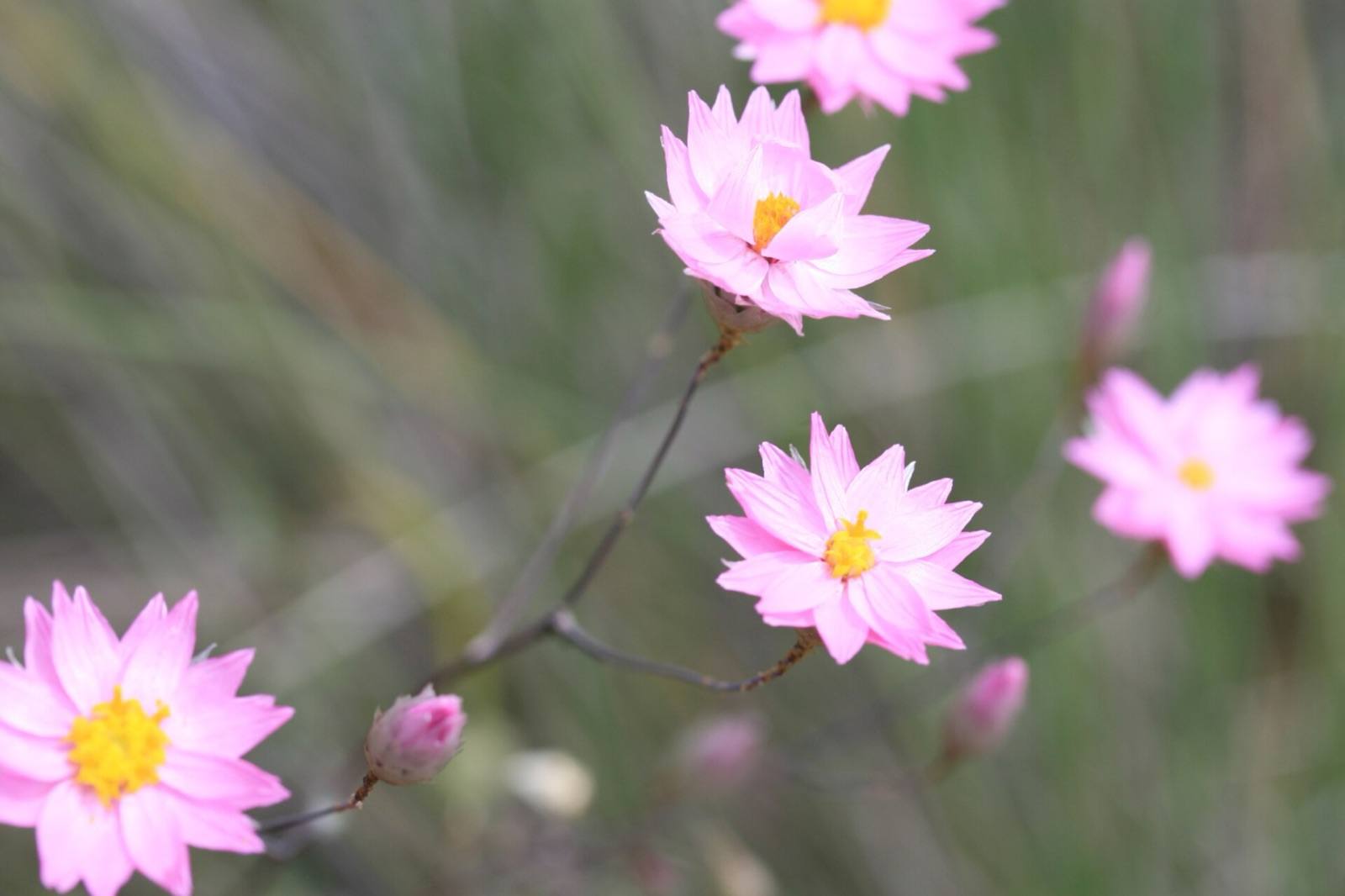
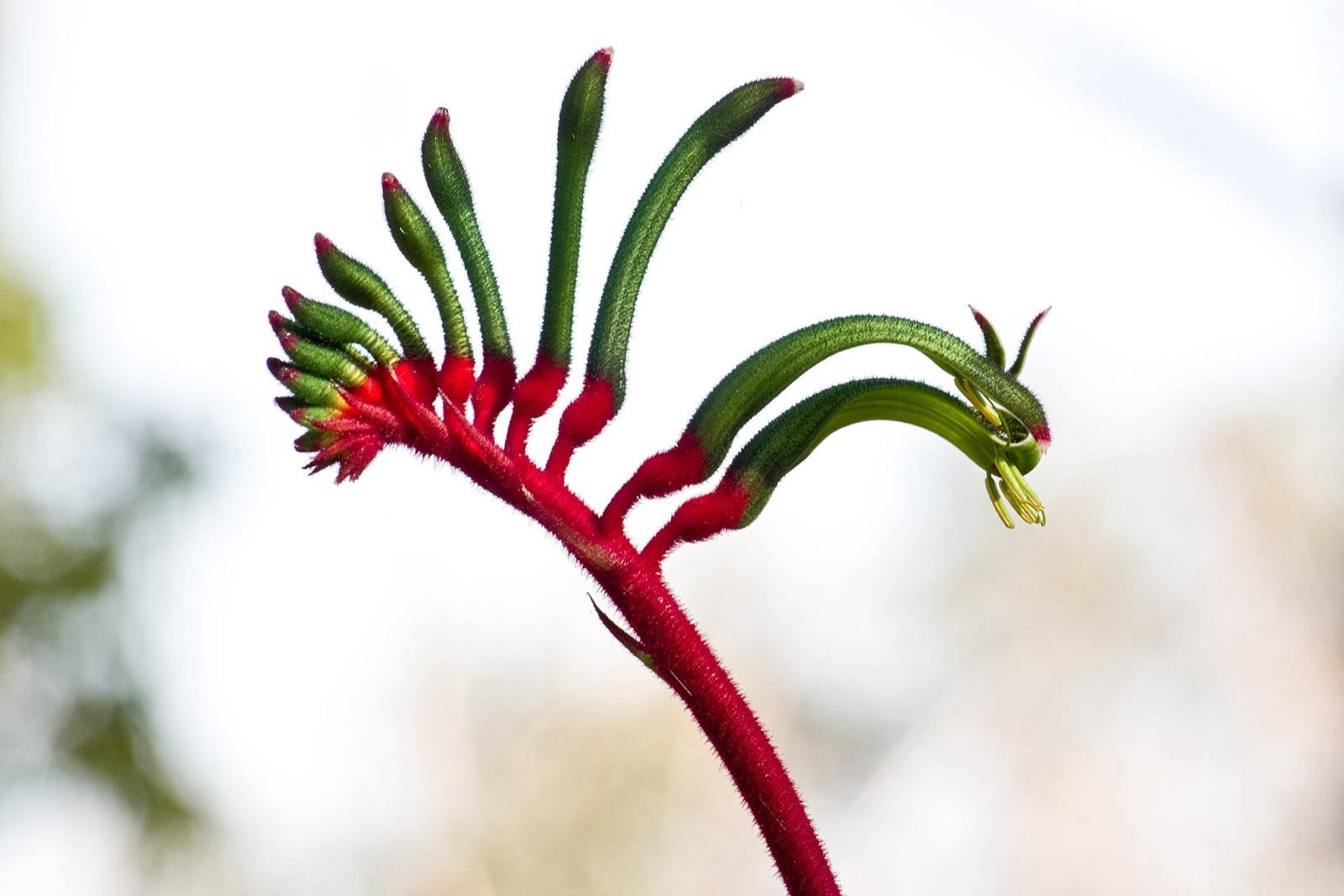
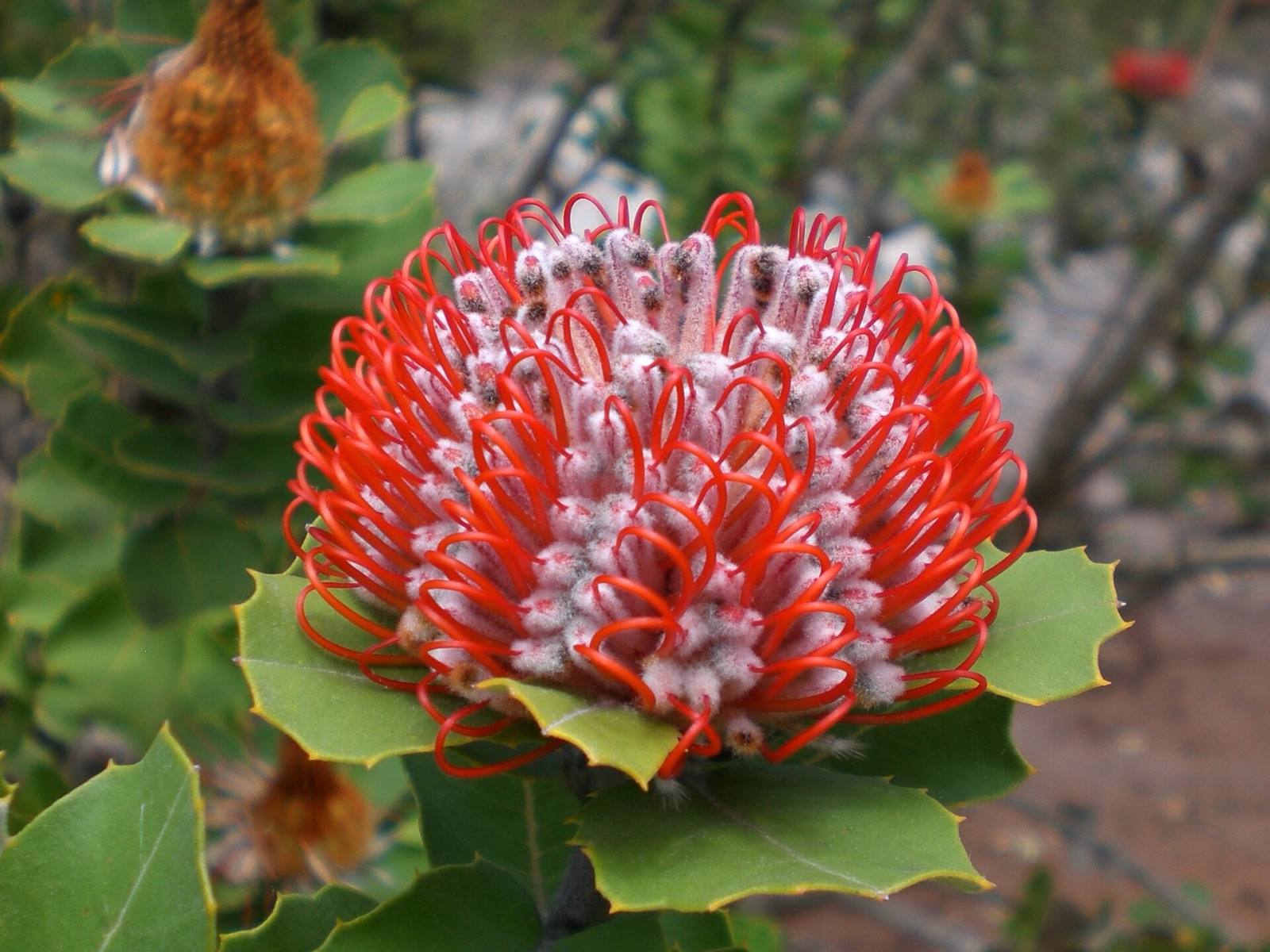
Everlasting daisyKangaroo pawBanksiaGeraldton wax
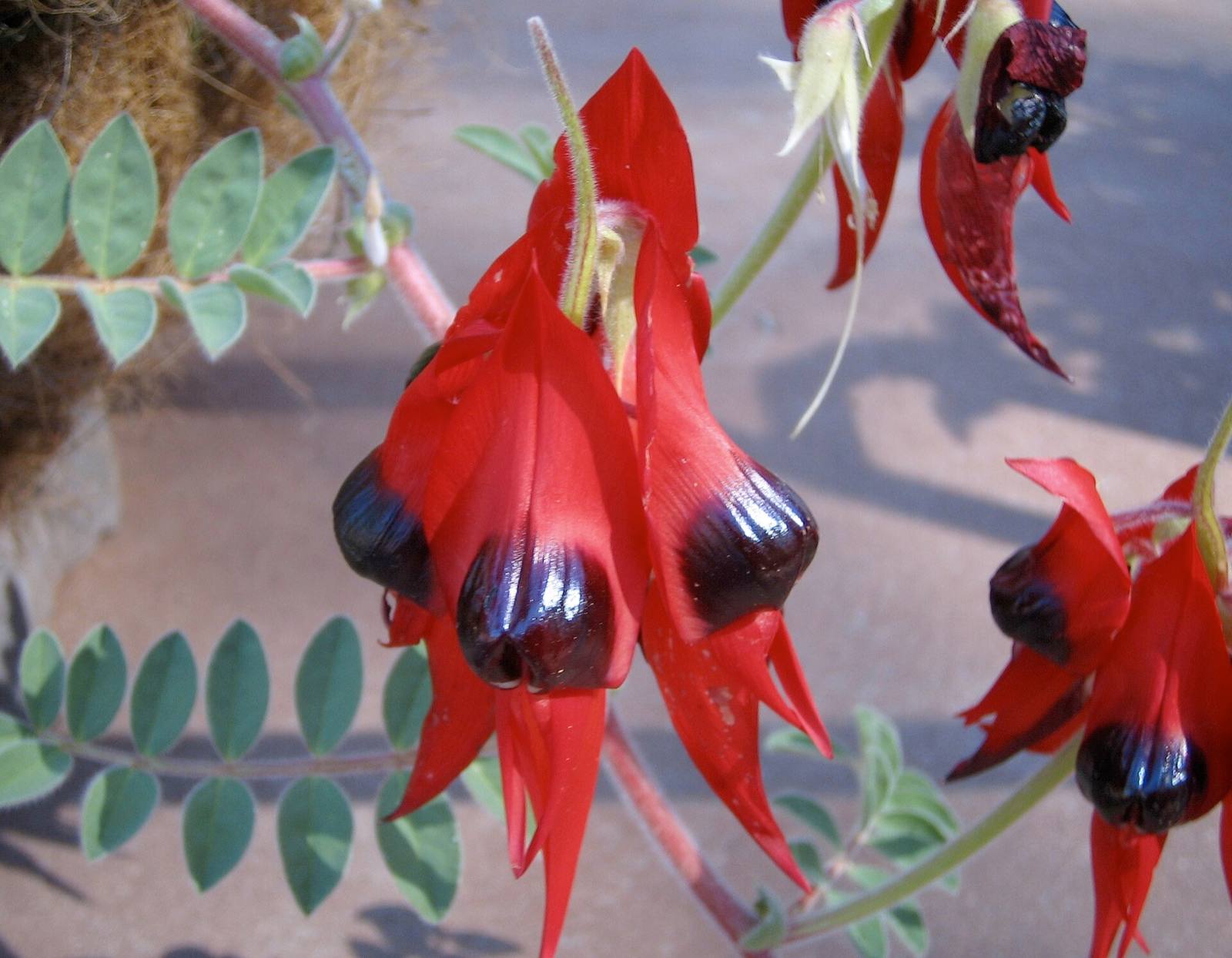
Sturt's desert pea is the floral emblem of South Australia and one of the most striking wildflowers in the country: blood-red pea flowers with a glossy black centre, held in clusters on sprawling stems. It grows in the arid inland of every mainland state except Victoria and flowers after rain, anywhere from July to March. It is a protected plant in South Australia and should never be picked in the wild. It is fussy to grow and rarely sold as a cut flower, so this is one to see growing rather than buy.
Rarely sold as a cut flower. Being confirmed
You will rarely find Sturt's desert pea at a florist, and wild plants must be left alone, so the way to enjoy it is to see it growing or raise your own. After a wet winter, look along roadsides and red sand flats in the Flinders Ranges, around Broken Hill and Sturt National Park, and in the Pilbara, mostly from winter into spring. Kings Park in Perth grows it in its displays. For seed, buy from a native seed supplier or nursery and check the packet for a recent harvest date. Sow in late spring or early summer, once the soil is properly warm.
We're still finding florists who stock sturt's desert pea. Check your local flower market.
Sturt's desert pea is Australian native.
Sturt's desert pea is a sprawling, ground-hugging plant of the arid inland, from the Pilbara across to far western NSW and up into central Australia. It grows on red sand, gibber plains and dry creek flats. After good rain the seeds germinate and the plants race to flower within a few months, and in big years they carpet whole flats. Its deep taproot hates wet feet, which is why it struggles in humid coastal gardens. Commercial growing is tiny. A few specialist nurseries raise potted plants, some grafted onto the New Zealand kaka beak (Clianthus puniceus), a rootstock that resists root rot.
Stems at Australian markets are mostly grown here, so when it is out of season it is hard to find. Being confirmed
Colours
Making it last
At home this is a plant to show off rather than cut. Grow it in a hanging basket or a wide, unglazed terracotta pot, where you can control the water and the long stems can trail over the edge to display the flower clusters. A raised mound in a sunny rockery also works. For a native display, grow it near everlasting daisies and kangaroo paw, which flower in the same spring months and like the same dry, sunny conditions. Plants are short-lived, so sow a few fresh seeds each year to keep the show going.
Everlasting daisyKangaroo pawBanksiaGeraldton wax
Perth
Best: September to OctoberBeing confirmed
In the wild it flowers after rain, anywhere from July to March depending on when the rain arrives. It grows in the arid inland of every mainland state except Victoria. It isn't a regular cut flower, so the season is about seeing it growing.
No. It is a protected plant in South Australia and should be left where it grows wherever you find it. If you want one at home, grow it from seed, which is tricky but doable in a sunny spot with sharp drainage.
Moderately. The hard seed coat needs nicking or sanding, seedlings need full sun and perfect drainage, and root rot is the main killer, so water from below. In good conditions it flowers about four months after germination.
Yes, but treat it as a short-lived plant. Coastal humidity and winter wet cause root rot, so grow it in a pot or hanging basket with a very sandy mix, give it full sun and water only when the mix is dry. Grafted plants on kaka beak rootstock, sold by some native nurseries, cope better in wetter cities and can last a few seasons.
It is named after the explorer Charles Sturt, who recorded it on his 1844 expedition into central Australia. It had been collected much earlier, in 1699, by William Dampier on an island off the Pilbara coast. Aboriginal people across its range have their own names for it. South Australia adopted it as its floral emblem in 1961. Being confirmed