Guide
Australian flower markets explained: who can buy, when to go
Updated 26 September 2026
A wholesale flower market is where most of the flowers in an Australian florist’s window change hands. Growers, wholesalers and agents set up in a big shed in the small hours, florists arrive before dawn to buy for the day, and by mid-morning the best stock is gone. Some markets let the public in to buy alongside the trade. Others are strictly wholesale. Knowing which is which, and when to turn up, saves you a very early wasted drive.
How a wholesale flower market works
Stock comes in from local growers and from importers. Stallholders range from single farms selling their own crop to large wholesalers with dozens of lines. Florists do most of their buying in the first hours of trade, choosing stems for the week’s orders, weddings and shop displays.
Because the market serves the trade, it runs on trade habits. Flowers are sold by the bunch rather than the stem, stalls move fast, and the busiest time is the earliest. Many markets register commercial buyers, who get in first or get access the public doesn’t. A market is also the best single place to see what’s genuinely in season, because local flowers turn up in volume when they’re at their peak. The seasonal calendar shows what to expect month by month.
Who can buy
It depends on the city. Some markets welcome anyone during set public hours. Others sell only to registered businesses, and a couple of capitals have no central market at all. Here’s where things stand in the five cities we cover.
Sydney: public welcome
The Sydney Flower Market is in Building F at the Sydney Markets site in Flemington, near Homebush. The public can buy Monday to Friday from 6am to 9am and on Saturday from 5am to 9am. It’s closed on Sunday. Registered commercial buyers can enter from 5am on weekdays, so by the time the public doors open the florists have had first pick. Some stalls keep their own hours, so check before a special trip.
Brisbane: public welcome, longer hours
The Brisbane Flower Market at Rocklea is part of the Brisbane Markets site and sells to both the trade and anyone who walks in, six days a week. Hours are Monday and Thursday 4.30am to 3pm, Tuesday, Wednesday and Friday 5am to 3pm, and Saturday 6am to 1pm. It’s closed on Sunday. The longer hours mean you don’t need to be there at dawn, and parking is out the front.
Melbourne: trade only, with tours
Melbourne’s flower trading happens at the National Flower Centre inside the Melbourne Market at Epping. It’s wholesale only and not open to the general public. Trade hours are Tuesday and Thursday 3.30am to 7am and Saturday 4.30am to 7.30am.
The way in for the public is a pre-booked tour. C the Market tours run most Saturdays from 5am to 7am, need booking by the Friday, and don’t take children. You walk the trading floor and can buy at wholesale prices. The market has also run seasonal public Saturday markets, most recently in early 2026, so check its website for any new dates.
Adelaide: no central public market
Adelaide has no dedicated public flower market at present. The Adelaide page explains what happened to the old market at Richmond. Flowers now move through individual wholesalers, some trading from the Pooraka produce market, and most sell to registered florists. For buying direct, the florists and stalls at the Adelaide Central Market are the practical option.
Perth: wholesalers, not a market
Perth has no single central flower market either. The Perth page covers the main wholesalers, which sit along one street in West Leederville and mostly sell only to registered businesses. At least one, Flowers WA on Northwood Street, says it welcomes the public, Monday to Friday 6am to 2pm and Saturday 7.30am to 11am. Perth Markets at Canning Vale is a fruit and vegetable market, not a flower market.
How early to go
For Sydney, arrive as the public doors open. The florists have been buying since 5am, and popular lines thin out quickly after that. On Saturday the public doors open an hour earlier, at 5am.
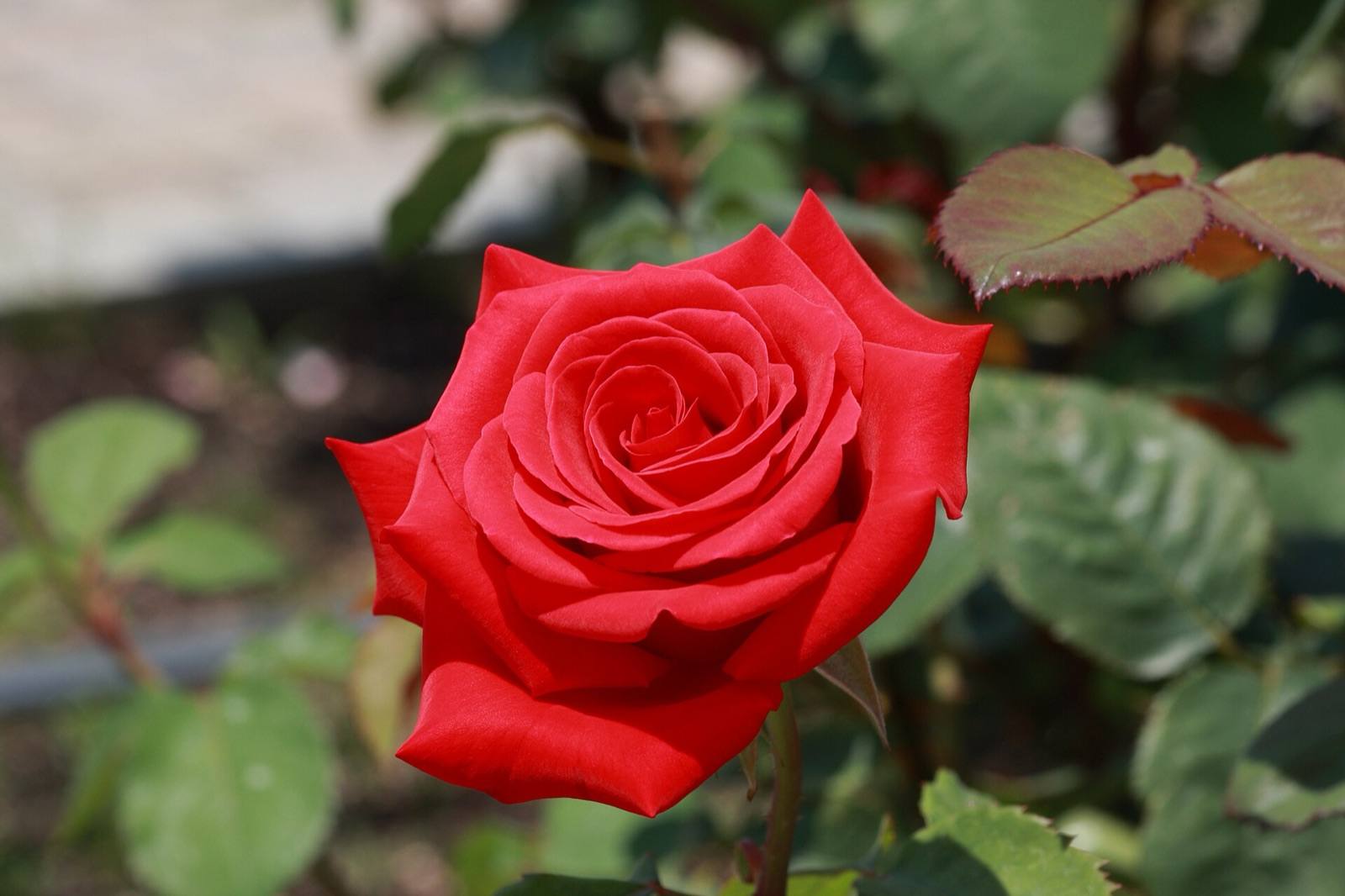
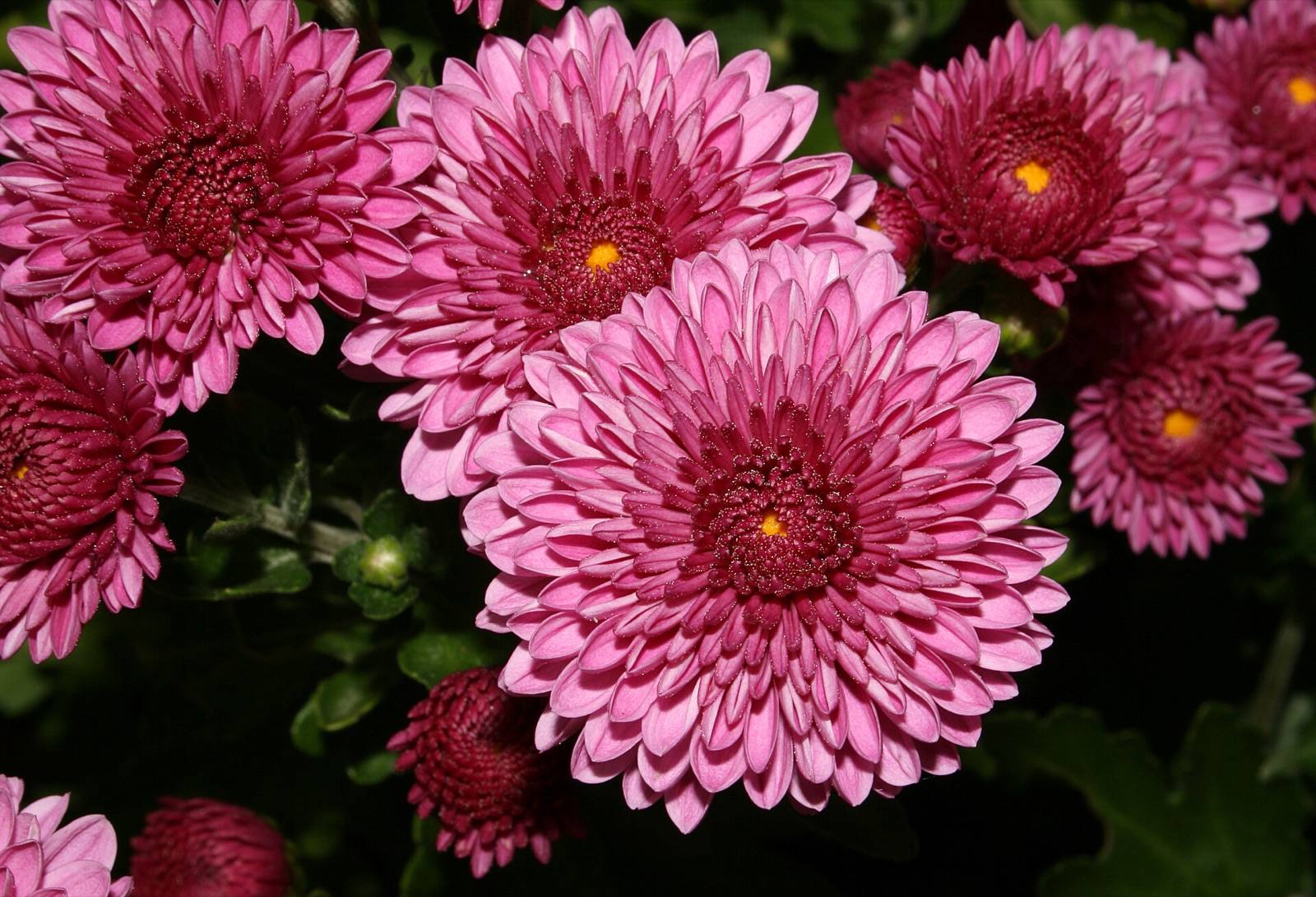
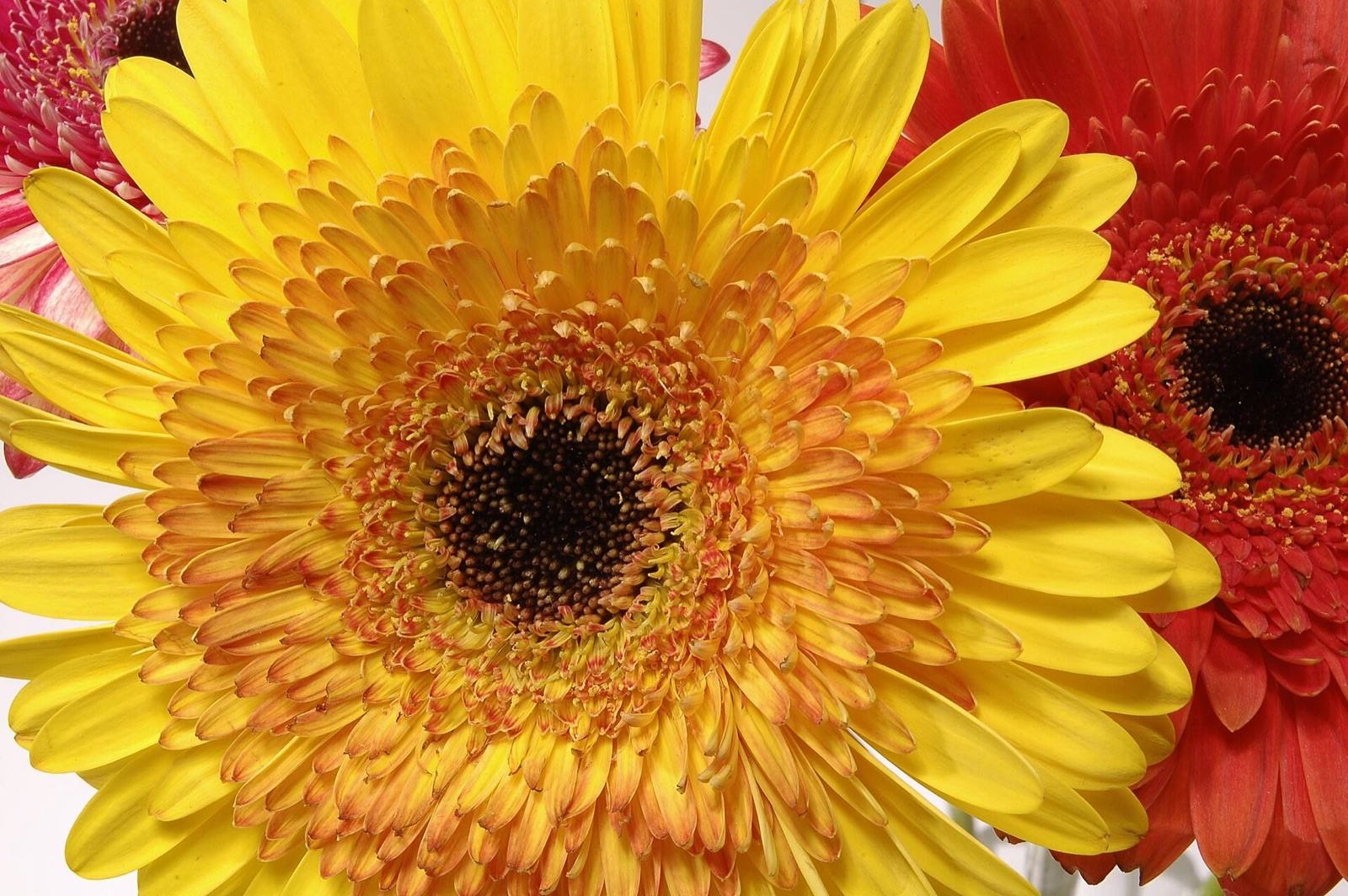
In Brisbane you have more room. Early is still better for range, but a mid-morning visit works if you’re after staples like roses, chrysanthemums or gerberas, which are at market all year.
Whichever market you visit, check the day before. Public holidays, special events and individual stalls can change the hours.
What to bring
- Cash. It’s the quickest way to pay at a busy stall.
- Buckets. Two or three, with a few centimetres of water in each, keep stems drinking on the drive home.
- Paper or old towels to wrap bunches and protect the car.
- A trolley or crate if you’re buying for an event. Carrying armfuls between stalls gets old fast.
- Warm layers in winter. The sheds are big, open and cold before sunrise.
- Closed shoes. Floors are wet, and trolleys and forklifts move quickly.
- A list. Know roughly what you want and how many stems, then be flexible about exact colours.
Plan the trip home too. On a hot morning, flowers in a closed car lose water fast. Go straight home and get them into water, following the flower care guide.
Buying by the bunch
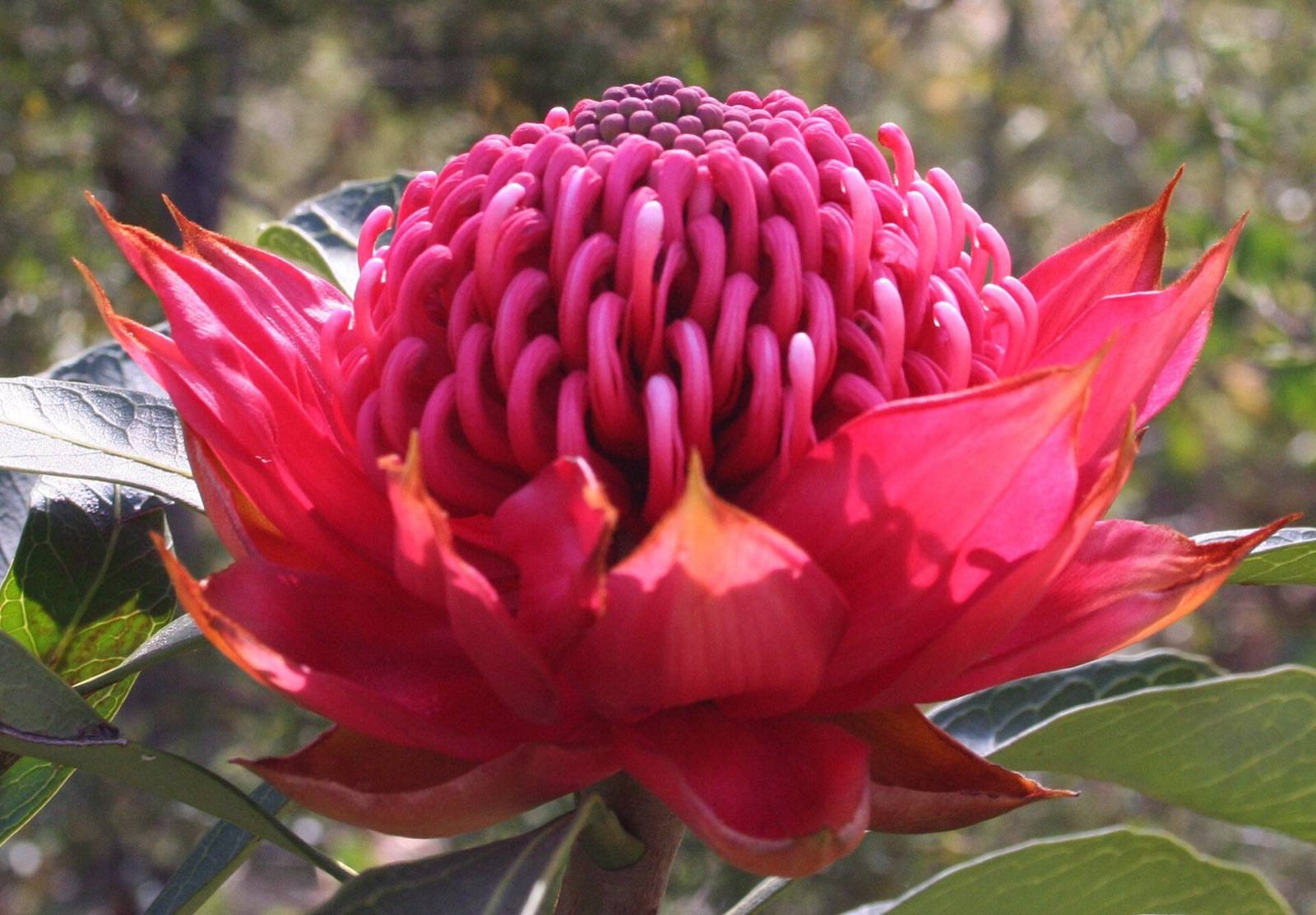
Markets sell by the bunch, and bunch sizes vary by flower and by stall. Ask how many stems are in a bunch before you compare prices between stalls. Big-headed natives such as waratah and protea can be sold by the stem or in small bunches, while fillers and foliage come in generous bunches.
Buying by the bunch changes how you plan. For a table centrepiece you might need only one bunch of a feature flower, a bunch of filler and some foliage. For a wedding, work out stem counts per arrangement first, then round up to whole bunches. Seasonal flowers bought at their peak are usually the best value, which is another reason to check the calendar before you go.
Etiquette
- Let the trade work. Florists are buying for their living. Keep trolleys out of the aisles and don’t hold up a busy stall with a long chat at 6am.
- Ask before you handle. Don’t pull stems out of buckets to inspect them. The stallholder will show you.
- Be decisive. Look around first, then buy. Stalls move quickly and stock doesn’t wait.
- Keep bargaining light. You’re already paying wholesale. A friendly question about a better price on several bunches is fine. Haggling hard over one isn’t.
- Ask before taking photos of a stall or its staff.
- Carry your own. Stallholders are too busy to help you to the car.
Is it worth it?
For a single bunch, a good local florist is usually easier and the flowers are already conditioned. The market earns its early start when you want volume, such as a wedding, a party or a week of flowers for the house, or when you simply want to see a whole season’s worth of stems in one shed. If you go, go early, bring buckets and buy what’s in season.
Flowers in this guide