Guide
Seasonal flower calendar: what's in season each month in Australia
Updated 26 September 2026
This calendar lists the flowers at Australian markets in each month, natives first. The months come from our individual flower pages and are national best estimates. Southern states and cool high country often run a few weeks later than Sydney and Brisbane, and a hot or wet season can shorten a run. Each month links to its own calendar page with more detail.
A few flowers are at market all year and aren’t repeated below. Roses, lilies, gerberas, carnations and chrysanthemums come from glasshouses and imports, while grevillea and eucalyptus supply native stems and gum foliage in every month.
Search peaks are not seasons
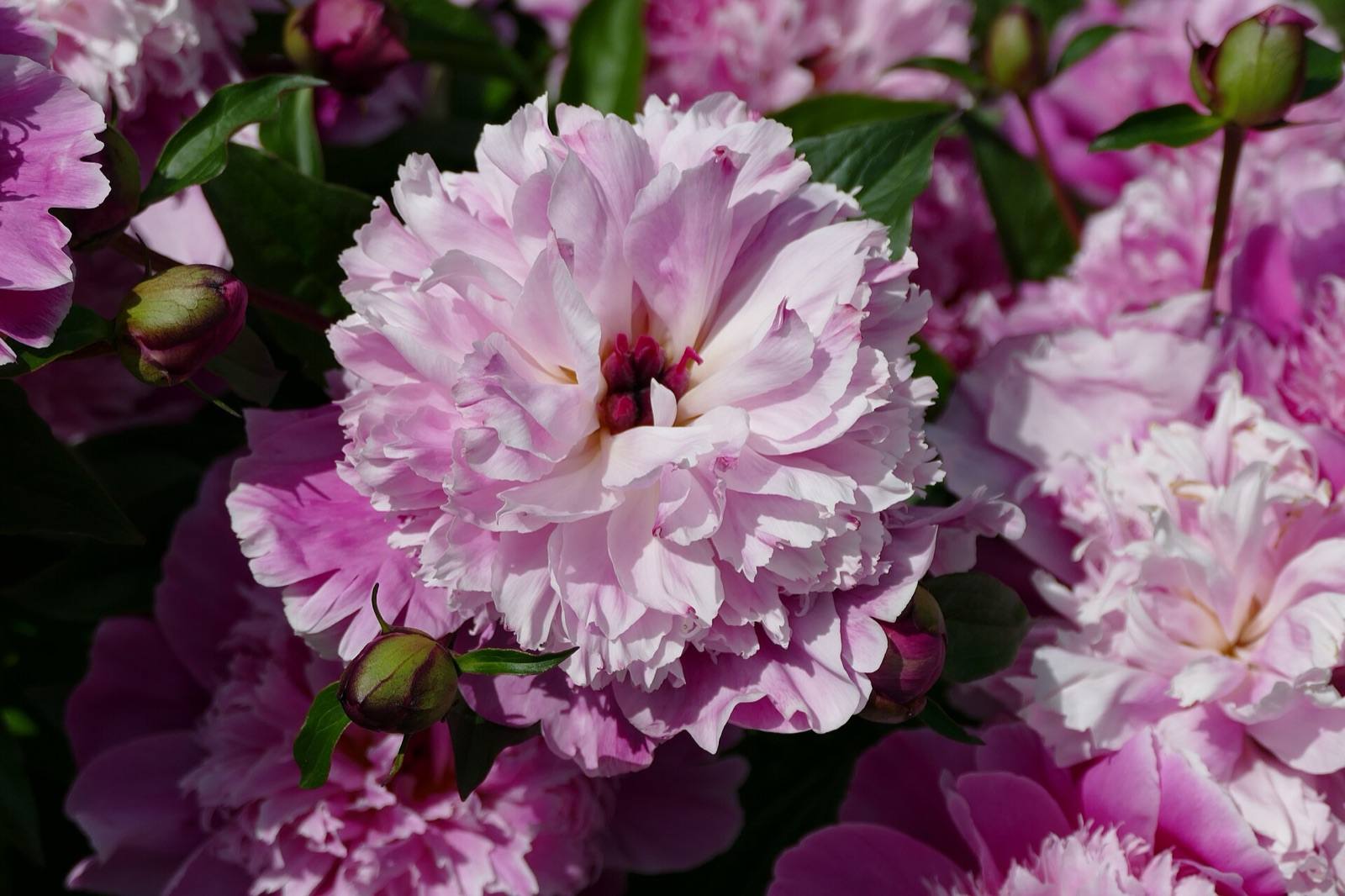
People search for flowers when they want them, not when they grow. Peonies get searched heavily in May for Mother’s Day, but local peonies are only at market from October to December, and May stems are imported. Sweet peas are searched in March and April because that’s sowing time, and they flower in spring. This calendar follows what’s actually in the buckets.
January
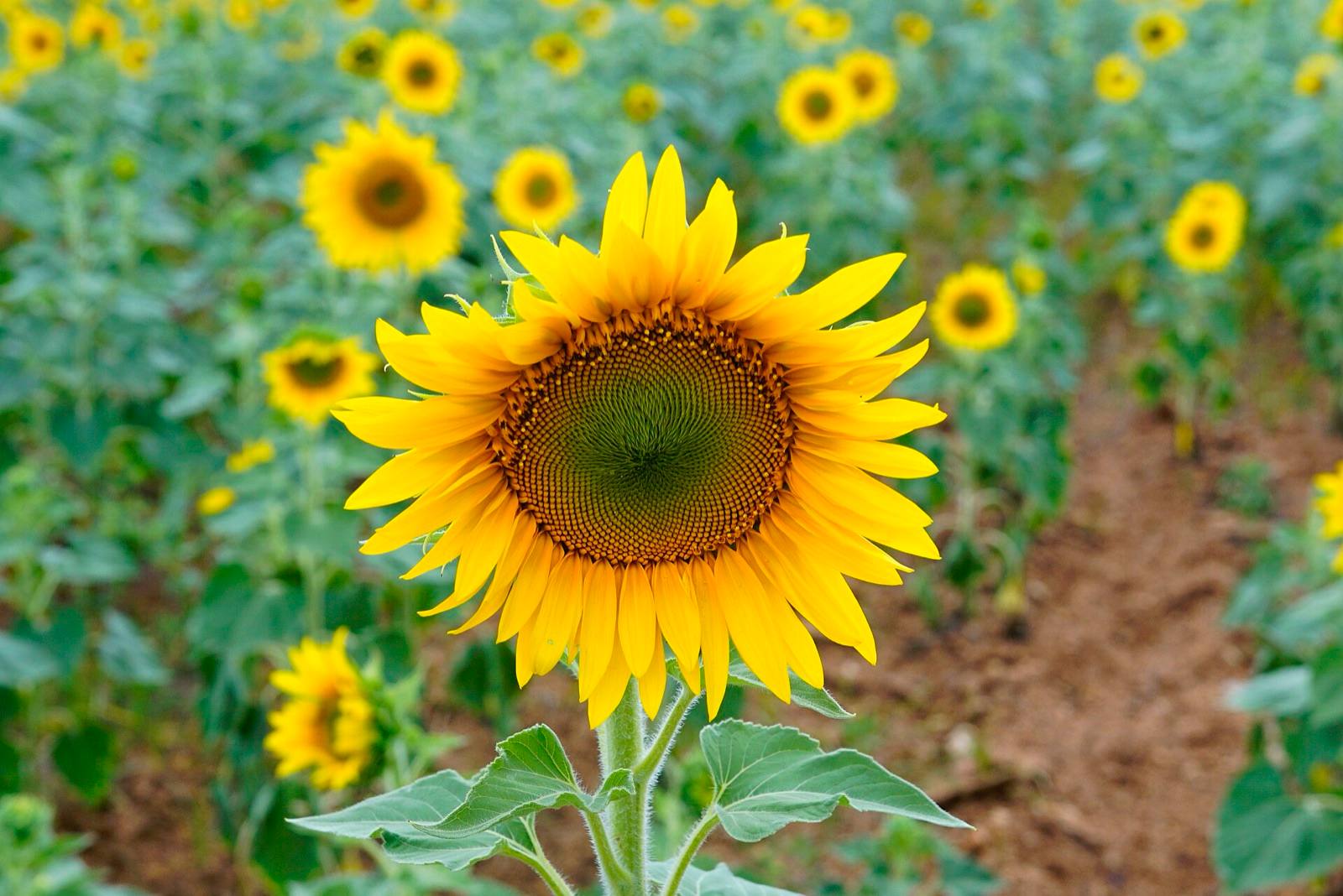
January is a lean month for natives, so grevillea and gum foliage carry the native side on their own. Summer flowers lead instead, with sunflowers at their peak and lisianthus and hydrangea plentiful. Dahlias and tuberose start, and gardenia and frangipani bring the scent. It’s the last month for local delphinium and fresh lavender. More in January.
February
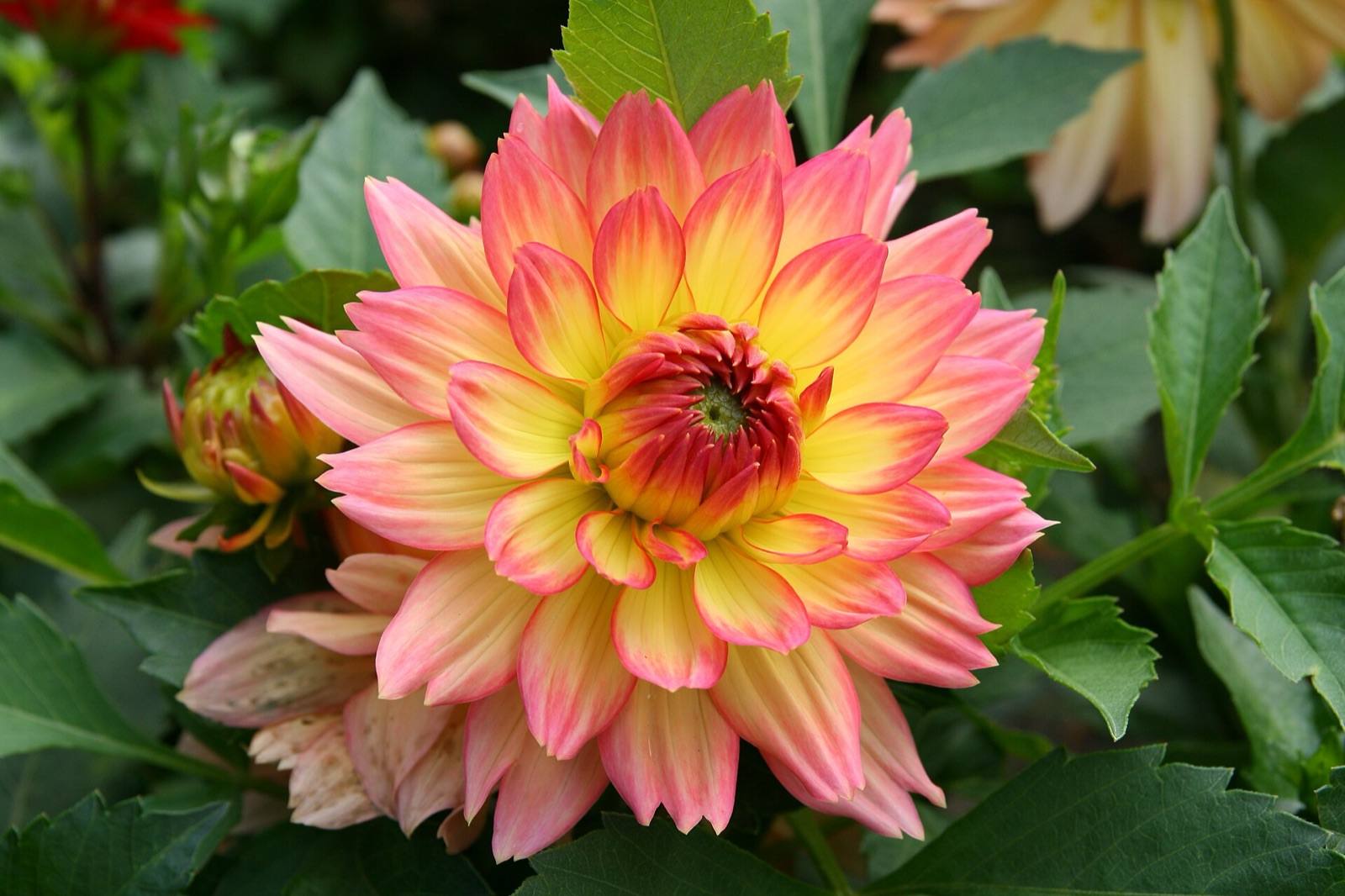
Natives stay limited to grevillea and eucalyptus. Dahlias move towards their fullest supply, and lisianthus, sunflowers and hydrangea are still going strong. Tuberose fills a room with scent, and frangipani is dropping across east coast footpaths. It’s the last month for gardenia. More in February.
March
Grevillea and gum foliage are joined by protea, which is South African but grown here and sold alongside natives. Dahlias are at their best, and lisianthus and tuberose keep going. March is the last month for sunflowers and fresh summer hydrangeas. Frangipani flowers on in the warmer cities. More in March.
April
Banksia arrives, adding the first big native heads of the cooler months to grevillea and eucalyptus. Protea continues, and dahlias and lisianthus carry the autumn buckets. It’s the last month for tuberose and frangipani. More in April.
May
Banksia, grevillea and eucalyptus hold the native side, with protea alongside. Cymbidium orchids start their long cool-season run. Chrysanthemums peak for Mother’s Day, and May is the last month for dahlias and lisianthus. More in May.
June
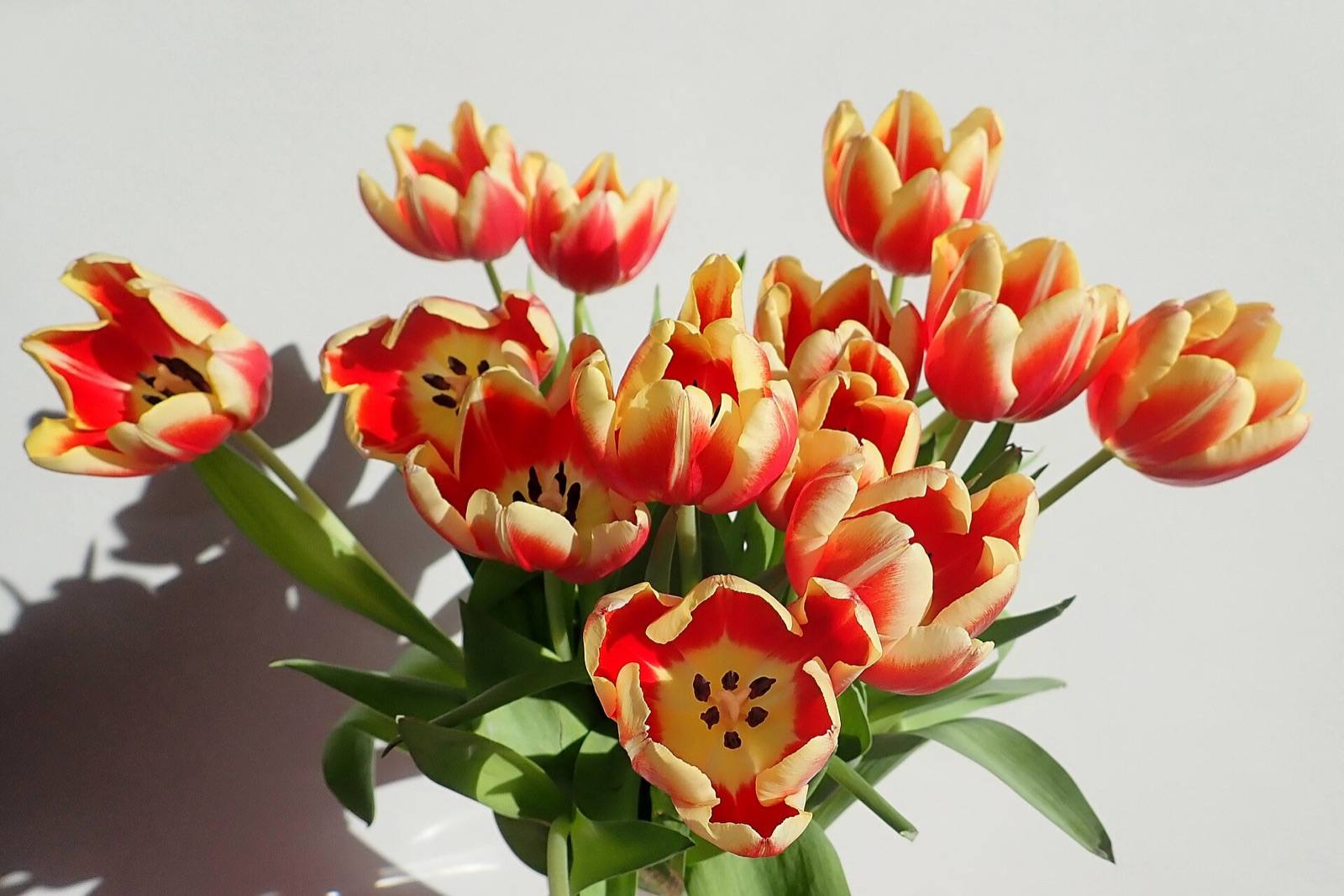
Banksia, grevillea and gum foliage carry on as the cool season settles in. Tulips, anemones and daffodils arrive, with the first jonquils and glasshouse tulips from chilled bulbs. Orchids and protea are also at market, though protea supply is traditionally slower in June and July. More in June.
July
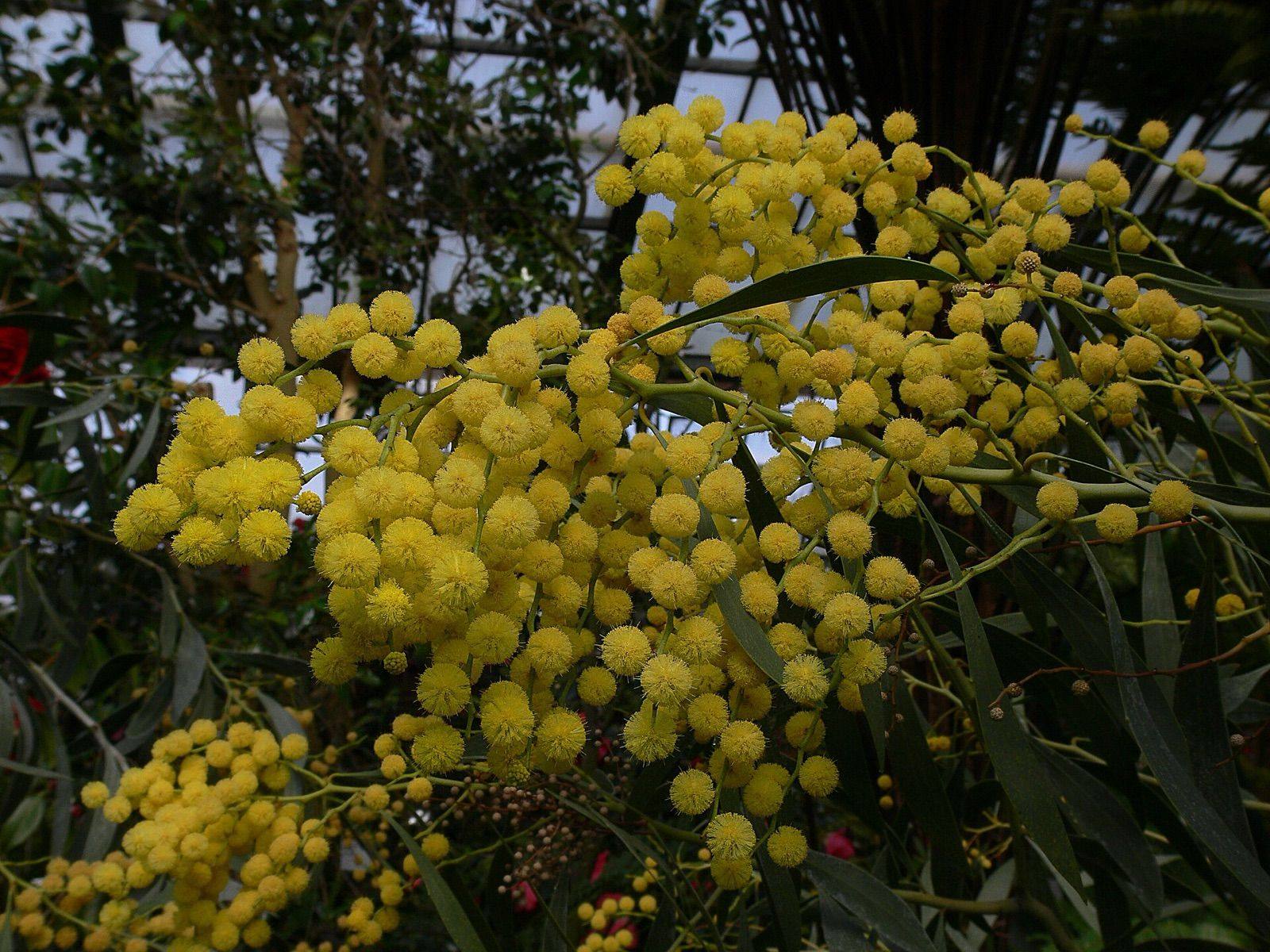
Natives pick up with wattle and waxflower, joining banksia, grevillea and eucalyptus. Ranunculus begins, alongside anemones, tulips and daffodils. Orchids and protea round out a strong winter month. More in July.
August
Boronia and everlasting daisy arrive in short windows, and wattle heads towards its peak with waxflower and banksia in full supply. Sweet peas and freesia start. Ranunculus, anemones, tulips and daffodils are all at market, and magnolia branches turn up for a short spell. Sydney’s cherry blossom peaks late in the month, on the trees rather than at market. More in August.
September
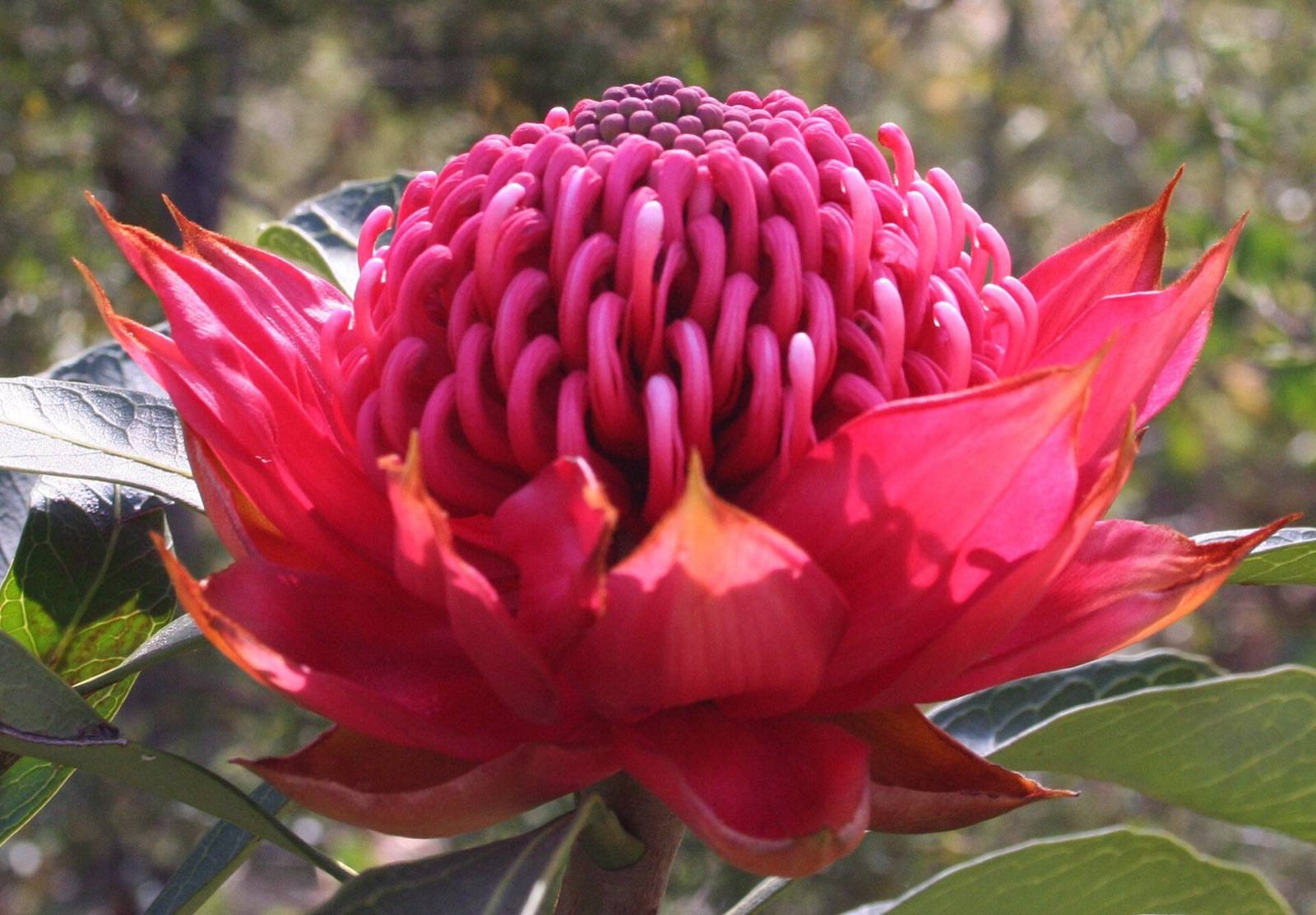
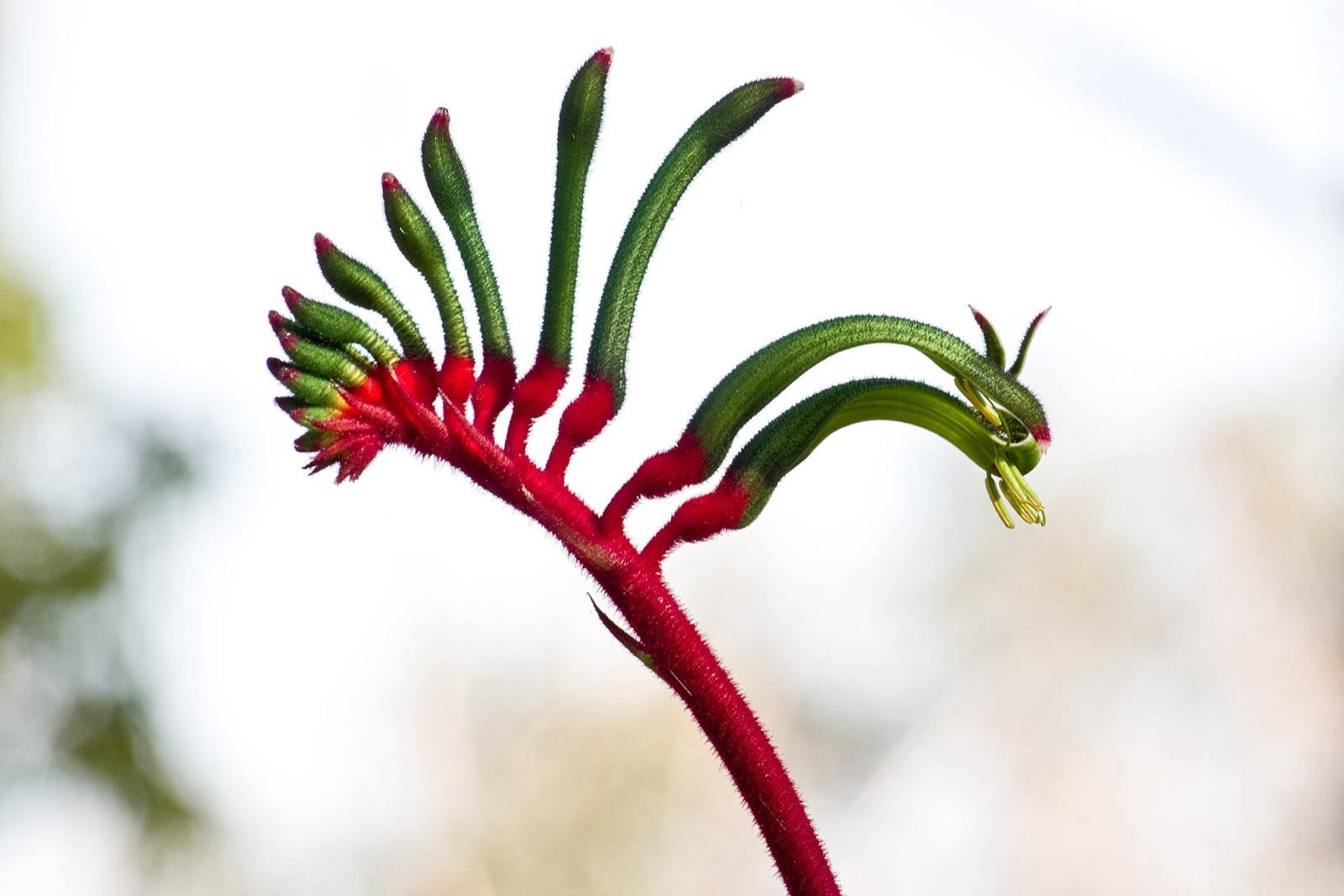
September is the start of the native peak. Waratah, kangaroo paw and flannel flower arrive, joining boronia, everlastings, waxflower, banksia and the last of the wattle. Tulips, ranunculus, sweet peas and freesia are plentiful, and lily of the valley starts its very short run. It’s the last month for daffodils and magnolia. More in September.
October
Waratah, kangaroo paw and flannel flower are in full swing, and it’s the last month for banksia, boronia and fresh everlastings. Local peonies start late in the month, and delphinium returns. Tulips, ranunculus, anemones and freesia are in their final weeks, while sweet peas run on into November. Jacaranda turns Brisbane and Grafton purple, though it’s a tree to see, not a florist flower. More in October.
November
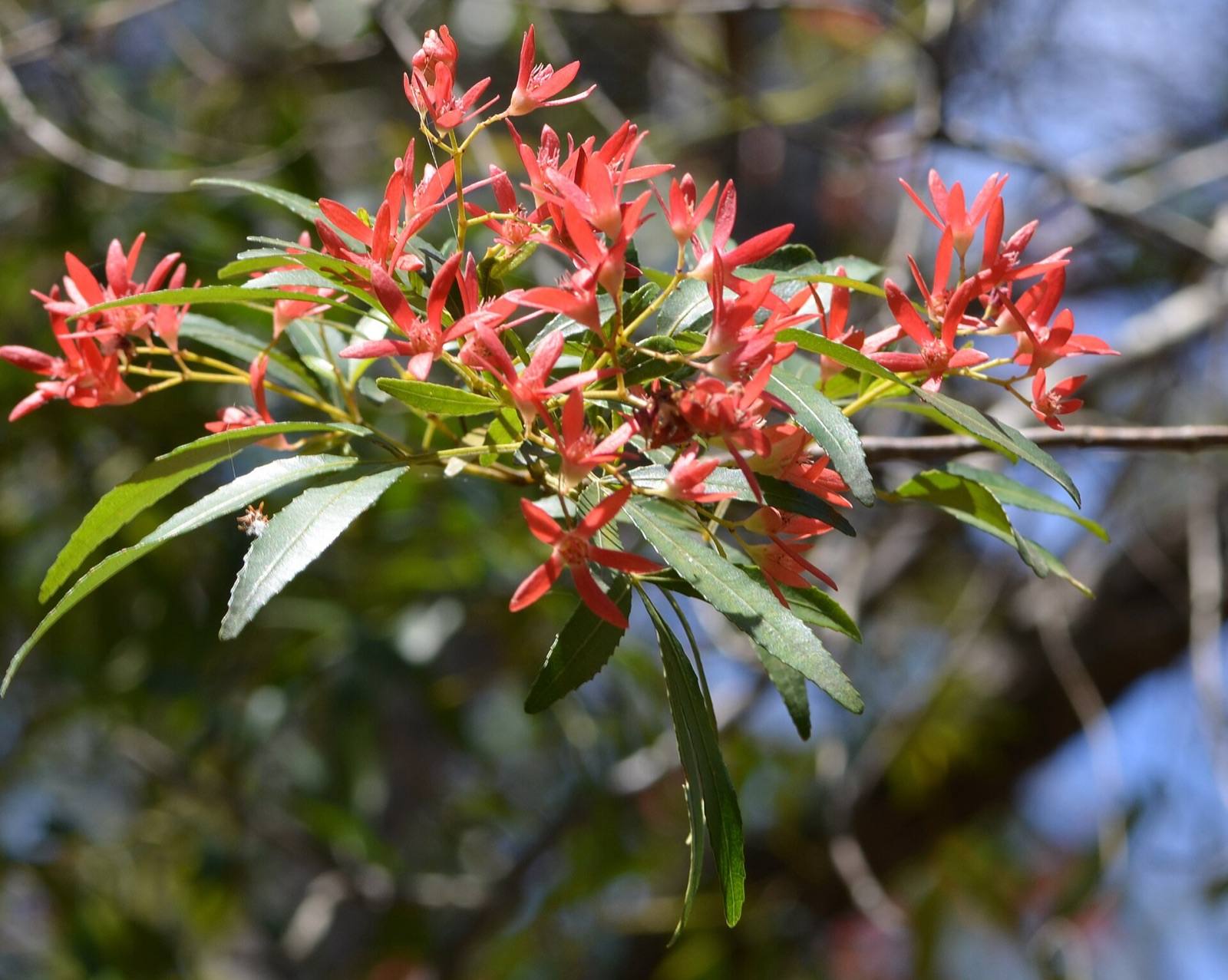
NSW Christmas bush starts colouring, and November is the last month for waratah and waxflower. Kangaroo paw and flannel flower carry on. Peonies peak, delphinium is in season, and it’s the last month for sweet peas. Gardenia and frangipani return with the warm weather. More in November.
December
Christmas bush is at its peak in the weeks before Christmas, and it’s the last month for kangaroo paw and flannel flower. Hydrangea is at its high point, and sunflowers and lisianthus return. Peonies finish, with Tasmanian stems running into mid-December, while lavender, gardenia and frangipani give the month its scent. More in December.
Using the calendar
Flowers bought at the height of their local season are usually the freshest in the bucket and the best value, because supply is at its strongest and the stems haven’t travelled far. Out-of-season stems are often imported, and they tend to cost more and last less time in the vase. When a florist says something is “just in” or “finishing”, that’s worth listening to.
Your state makes a difference too. Melbourne florists can see the first anemones in May, a month before the national start. Victorian hydrangeas age into their antique greens and burgundies into autumn, well after the summer peak. Brisbane’s jacarandas flower before Grafton’s, and Tasmanian peonies and waratahs run later than those grown on the mainland. Each flower page lists the state differences we’ve found.
If you’re planning around a date, such as a wedding, a birthday or Mother’s Day, check the flower page for the month you need, then ask your florist early. For looking after what you buy, see the flower care guide. For buying in volume, the flower market guide covers which markets let the public in. For natives, the native buying guide goes season by season.
Flowers in this guide